

Did you know that up to 95 percent of pressure injuries are considered preventable, yet they continue to affect millions of patients worldwide each year? That gap between theory and reality raises an uncomfortable but necessary question. If prevention is so well understood, why do pressure injuries still occur so often, even in facilities that follow established protocols?
For decades, manual repositioning has been the backbone of pressure injury prevention. It is familiar, widely taught, and rooted in good intentions. Still, clinical outcomes increasingly suggest that turning schedules alone do not always deliver the protection we expect.
Understanding where traditional methods fall short is not about assigning blame. It is about aligning prevention strategies with how bodies actually respond to pressure, time, and care environments.
Why manual repositioning became the standard approach
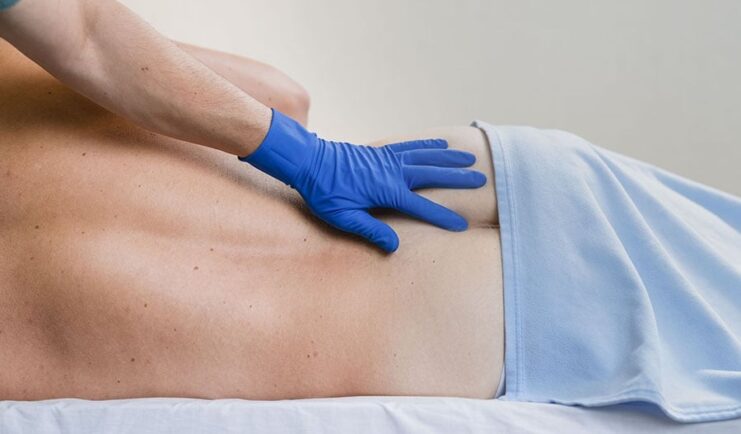
Manual repositioning earned its place in clinical practice because it addresses a clear mechanical problem. Sustained pressure restricts blood flow, depriving tissue of oxygen and nutrients. Changing position redistributes pressure and restores circulation, at least temporarily. Over time, this simple logic became institutionalized into two hour turning schedules across hospitals, long-term care facilities, and home care settings.
The appeal of manual repositioning lies in its accessibility. It requires no advanced technology and fits neatly into nursing routines. It also aligns well with early research that linked immobility to skin breakdown.
Common assumptions behind this approach include:
- Pressure injuries primarily result from unrelieved pressure over bony areas.
- Scheduled turning reliably reduces the duration of pressure exposure.
- Staff availability is sufficient to maintain consistent repositioning.
- Short periods of relief are enough to allow tissue recovery.
In controlled conditions, these assumptions can hold. In real clinical environments, they often collide with human and systemic limitations.
Where traditional turning schedules start to break down
The challenge with manual repositioning is not the concept but the execution. Turning schedules assume perfect consistency, yet care settings are rarely predictable. Staffing shortages, competing clinical priorities, and patient discomfort all interfere with ideal timing. Even brief delays can extend pressure exposure beyond safe thresholds for vulnerable tissue.
Another issue lies in the quality of repositioning itself. Not every turn effectively offloads high-risk areas. Minor shifts may change posture without meaningfully reducing pressure on the sacrum or hips. Over time, these partial adjustments give a false sense of protection.
Key limitations frequently observed include:
- Missed or delayed turns during busy shifts or overnight hours.
- Incomplete offloading due to patient size, pain, or resistance.
- Variability in technique between caregivers.
- Fatigue related errors during repetitive manual handling.
When these factors accumulate, the gap between protocol and outcome becomes increasingly clear.
The physiology of pressure injury is more complex than timing alone
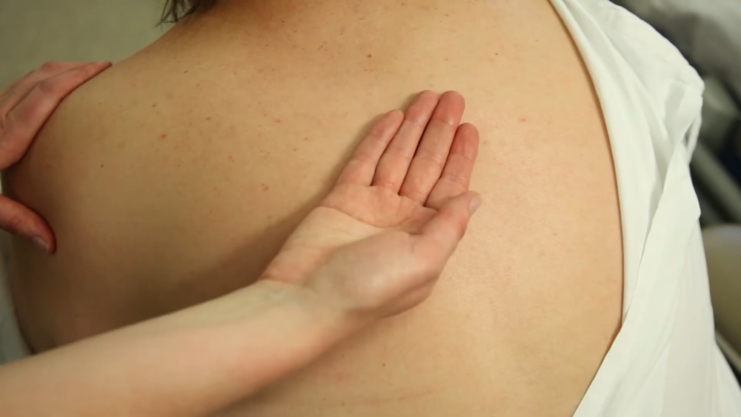
Pressure injury development is not governed solely by how long pressure is applied. Tissue tolerance varies widely between individuals and even within the same patient over time. Factors such as microclimate, shear forces, nutrition, and vascular health all influence how quickly damage occurs.
Sustained low pressure can be just as harmful as short bursts of high pressure, especially when combined with moisture or friction. Manual repositioning tends to focus on movement frequency, sometimes overlooking these subtler contributors.
Consider the following physiological realities:
- Shear forces during repositioning can damage deeper tissue layers.
- Moisture from perspiration or incontinence weakens skin resilience.
- Compromised circulation reduces the tissue’s ability to recover.
- Inflammatory responses may persist even after pressure is relieved.
These mechanisms explain why some patients develop injuries despite regular turning. Prevention requires more than movement. It requires sustained pressure redistribution and environmental control.
Patient comfort and sleep disruption as hidden risk factors
Another often overlooked limitation of manual repositioning is its impact on patient comfort and rest. Frequent nighttime turning interrupts sleep cycles, which are critical for healing and immune function. In some cases, patients resist repositioning due to pain, anxiety, or confusion, especially in dementia care.
When repositioning becomes a source of distress, staff may shorten turns or delay them to avoid agitation. This compromise, while understandable, further weakens prevention efforts.
Practical consequences include:
- Reduced patient compliance with repositioning plans.
- Increased use of sedatives, which can worsen immobility.
- Heightened caregiver strain during difficult transfers.
- Inconsistent pressure relief during extended rest periods.
These dynamics highlight a paradox. The very intervention meant to protect tissue can undermine overall recovery when it disrupts rest and comfort.
Technology assisted solutions and why they are gaining attention
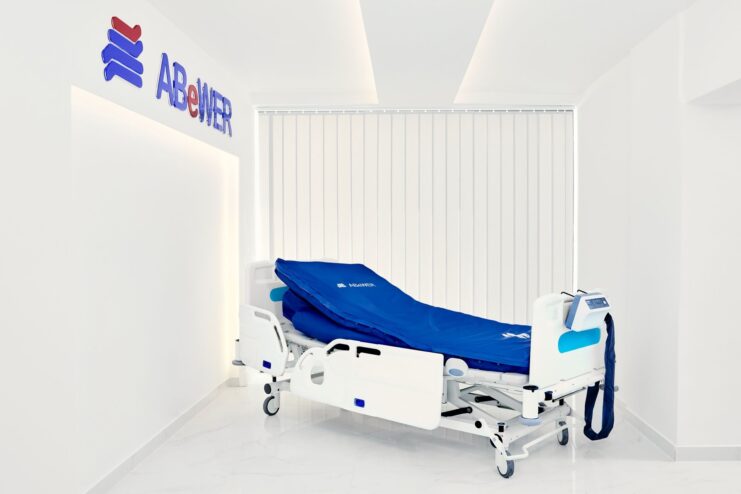
As awareness of these limitations grows, care teams are exploring solutions that reduce reliance on manual intervention. Automated support surfaces are designed to provide continuous pressure redistribution without depending on staff timing or patient cooperation.
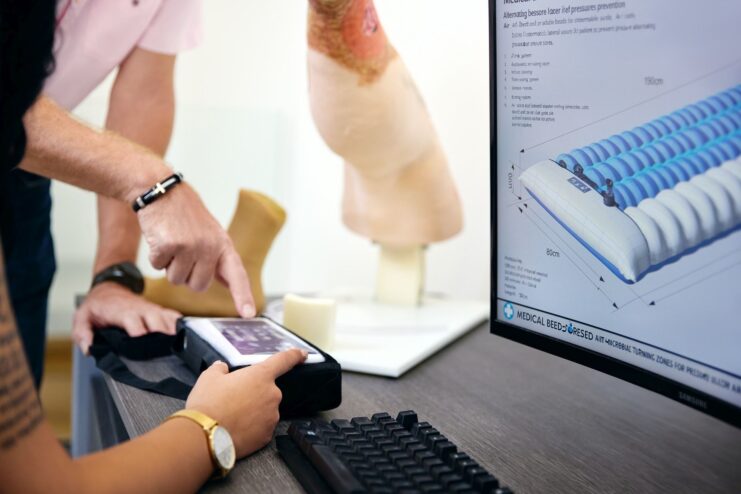
Multifunction automated lateral turning mattress systems designed to protect high-risk patients (that can be found on abewer.com) are being integrated into prevention strategies because they address several weak points at once. Continuous lateral turning mattresses offer programmed repositioning that maintains consistent offloading while minimizing sleep disruption.
These systems are gaining traction because they:
- Deliver predictable, sustained pressure redistribution.
- Reduce caregiver workload and manual handling risks.
- Support uninterrupted rest for patients.
- Maintain consistent prevention even during staffing gaps.
The goal is not to replace caregivers but to support them with reliable, physiologically informed tools.
Comparing manual repositioning and automated turning approaches
To understand the practical differences, it helps to view traditional and automated methods side by side. Each has strengths, but their effectiveness depends on context and patient risk level.
| Aspect | Manual Repositioning | Automated Turning Systems |
| Consistency | Variable, staff dependent | Programmed and continuous |
| Sleep disruption | Frequent interruptions | Minimal once initiated |
| Staff workload | High physical demand | Significantly reduced |
| Pressure redistribution | Intermittent | Sustained over time |
This comparison does not suggest abandoning manual care. Instead, it clarifies where human effort alone may struggle to meet physiological demands, especially for high risk or long term immobile patients.
Redefining prevention as a continuous process
One of the most important shifts in modern pressure injury prevention is moving away from episodic thinking. Prevention does not happen every two hours. It happens every minute tissue is under load. Manual repositioning, by nature, creates cycles of pressure and relief rather than a steady protective environment.
A useful reframing is to see prevention as a continuous process rather than a checklist task. This perspective encourages integration of support surfaces, skin monitoring, nutrition, and mobility planning into a cohesive strategy.
Core principles of continuous prevention include:
- Maintaining stable pressure redistribution over time.
- Minimizing shear and friction during movement.
- Supporting skin integrity through microclimate control.
- Adjusting interventions as patient condition changes.
When prevention is treated as an ongoing condition rather than an event, outcomes tend to improve.
Pressure injuries often start below the skin
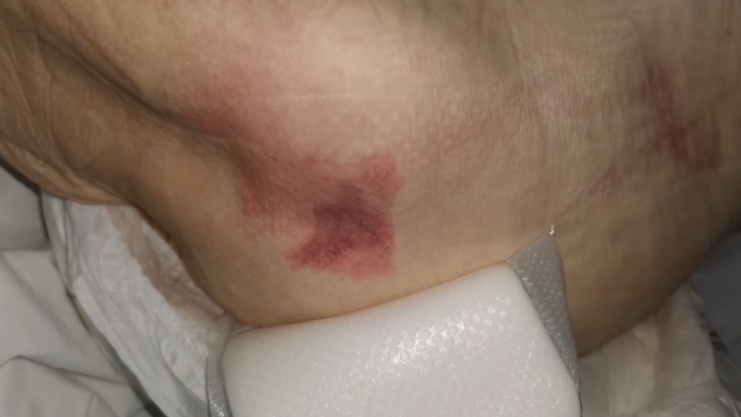
Did you know that many pressure injuries begin in deep tissue layers before any visible skin damage appears? This phenomenon, known as deep tissue injury, explains why surface inspections alone may miss early harm. Muscle and fat are more sensitive to ischemia than skin, and damage can progress silently for days.
This fact underscores why intermittent relief may not be enough. By the time redness appears, deeper structures may already be compromised. Continuous pressure redistribution plays a critical role in preventing these hidden injuries.
Understanding this progression helps explain why:
- Surface intact skin does not always indicate safety.
- Early prevention must focus on deeper tissue protection.
- Reactive care often comes too late.
- Consistency matters more than short term correction.
Awareness of deep tissue injury shifts prevention from reactive to proactive.
Integrating traditional care with modern prevention strategies
The future of pressure injury prevention is not an either or choice. Manual repositioning remains valuable, particularly for mobilization, skin inspection, and patient engagement. However, expecting it to carry the full burden of prevention is increasingly unrealistic.
An integrated approach combines human judgment with supportive technology. Caregivers focus on assessment, comfort, and clinical decision making, while automated systems handle repetitive, time sensitive pressure redistribution.
Effective integration typically involves:
- Using automated surfaces for high risk or immobile patients.
- Supplementing with manual repositioning for assessment and care tasks.
- Educating staff on when and how to adjust prevention plans.
- Monitoring outcomes to refine protocols.
This balanced model respects both human expertise and physiological realities.
A more realistic path forward for pressure injury prevention
Pressure injuries persist not because caregivers fail, but because traditional methods were designed for simpler assumptions. Bodies are complex, care environments are demanding, and time under pressure is relentless. Manual repositioning alone cannot always keep pace with these factors.
Recognizing its limits is an act of clinical maturity, not criticism. By embracing continuous prevention concepts, supportive technologies, and integrated care models, prevention strategies become more aligned with how injuries actually develop. The result is not just fewer wounds, but better rest for patients, safer workloads for caregivers, and more reliable outcomes across care settings.