
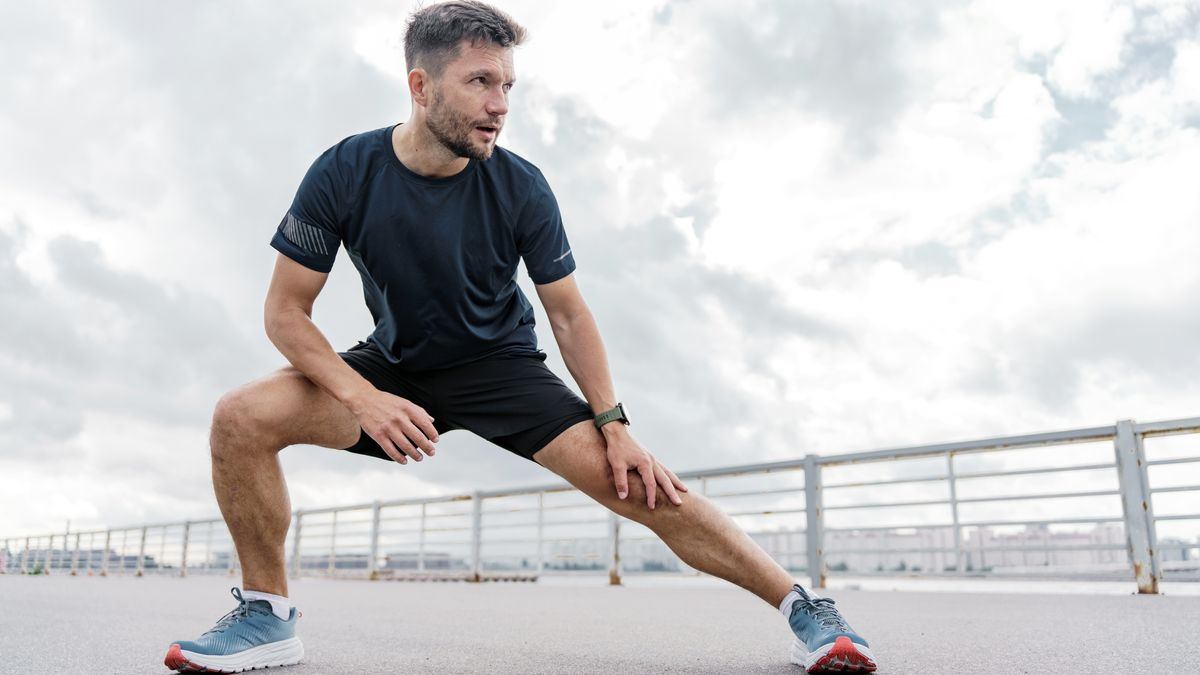
A few years ago, I thought a workout only “counted” if I ended it sweaty, exhausted, and slightly annoyed at my own life choices. Then my body started disagreeing with me. Tight hips after long walks, sore knees after jump workouts, stiff shoulders from sitting too much. Sound familiar?
Low impact fitness changed the way I train. Not because it feels easier, but because it feels sustainable. That matters more than most people realize. You can absolutely build strength, improve mobility, and recover better without pounding your joints every day.
According to the CDC, adults should aim for at least 150 minutes of moderate physical activity weekly plus two days of muscle strengthening work. The good news is that low impact workouts fit those recommendations very well.
Why Low Impact Training Works So Well
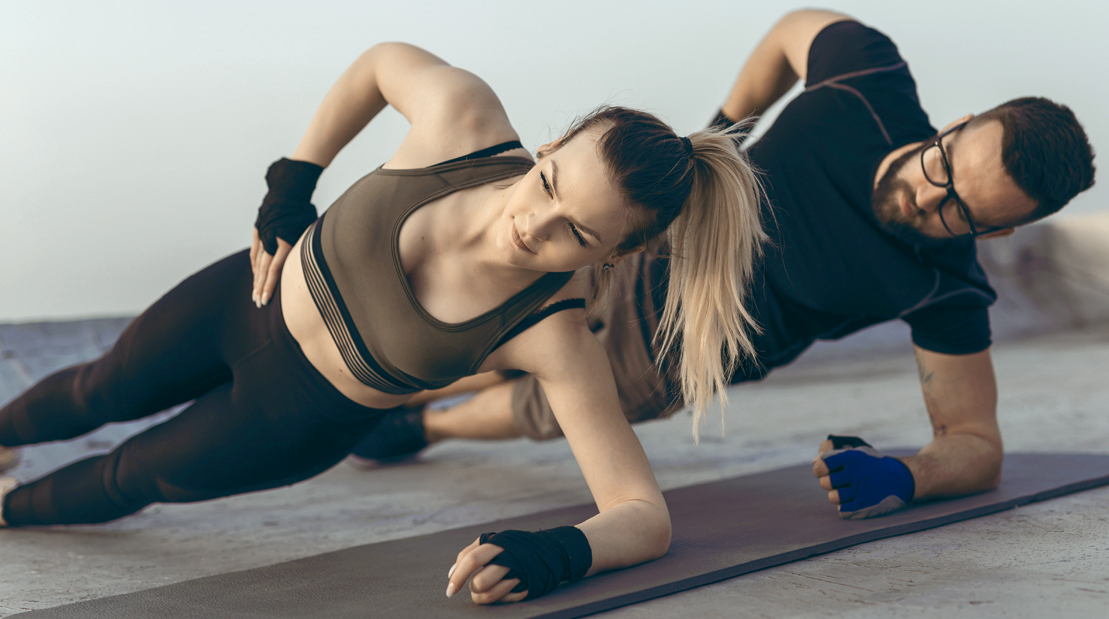
A lot of people assume low impact exercise is only for older adults or injury recovery. I used to think that too. Then I realized many athletes, physical therapists, and strength coaches rely on lower impact training because it helps them stay consistent without constantly dealing with soreness or joint irritation.
Sometimes people start searching for answers after noticing stiffness or recurring discomfort during workouts. Learning more about common hip pain causes can help explain why high impact routines do not work well for everyone.
Important distinction: low impact does not mean low effort. Walking uphill, rowing, Pilates, and controlled strength work can challenge your muscles and cardiovascular system without repetitive joint stress.
Research published in the Journal of Aging and Physical Activity found that regular exercise programs improve mobility, balance, and strength in older adults when performed consistently several times weekly.
Strength Training Without Joint Stress
You do not need box jumps or burpees to build real strength. Honestly, I stopped missing those pretty quickly.
Controlled resistance training is one of the best low impact approaches because it improves muscle strength while protecting the knees, hips, and ankles from repetitive pounding. The key is slower movement and stable positioning.
Exercises that work especially well include:
- Goblet squats
- Romanian deadlifts
- Seated shoulder presses
- Resistance band rows
- Step ups
- Glute bridges
One thing I noticed after switching to slower strength sessions was how much better my recovery became. I stopped waking up feeling stiff after every workout. My posture improved too, probably because I finally started focusing on movement quality instead of speed.
According to the American Heart Association, muscle strengthening activity at least twice weekly supports long term mobility and healthy aging.
Walking Is More Effective Than People Admit
Walking gets treated like the boring cousin of fitness. I think that is unfair.
A brisk walk improves cardiovascular health, supports recovery, and helps maintain mobility without overwhelming the nervous system. Some days it is honestly the smartest workout choice available.
Here is where walking becomes surprisingly useful:
| Goal | Walking Benefit |
| Recovery days | Encourages circulation without extra fatigue |
| Joint stiffness | Keeps hips and knees moving gently |
| Stress management | Helps regulate mood and energy |
| Fat loss support | Increases daily activity consistently |
The trick is consistency. A single intense workout once a week does far less than regular movement throughout the week.
According to the WHO physical activity guidelines, moderate activities like brisk walking contribute significantly to recommended weekly exercise targets.
Mobility Training Deserves More Attention
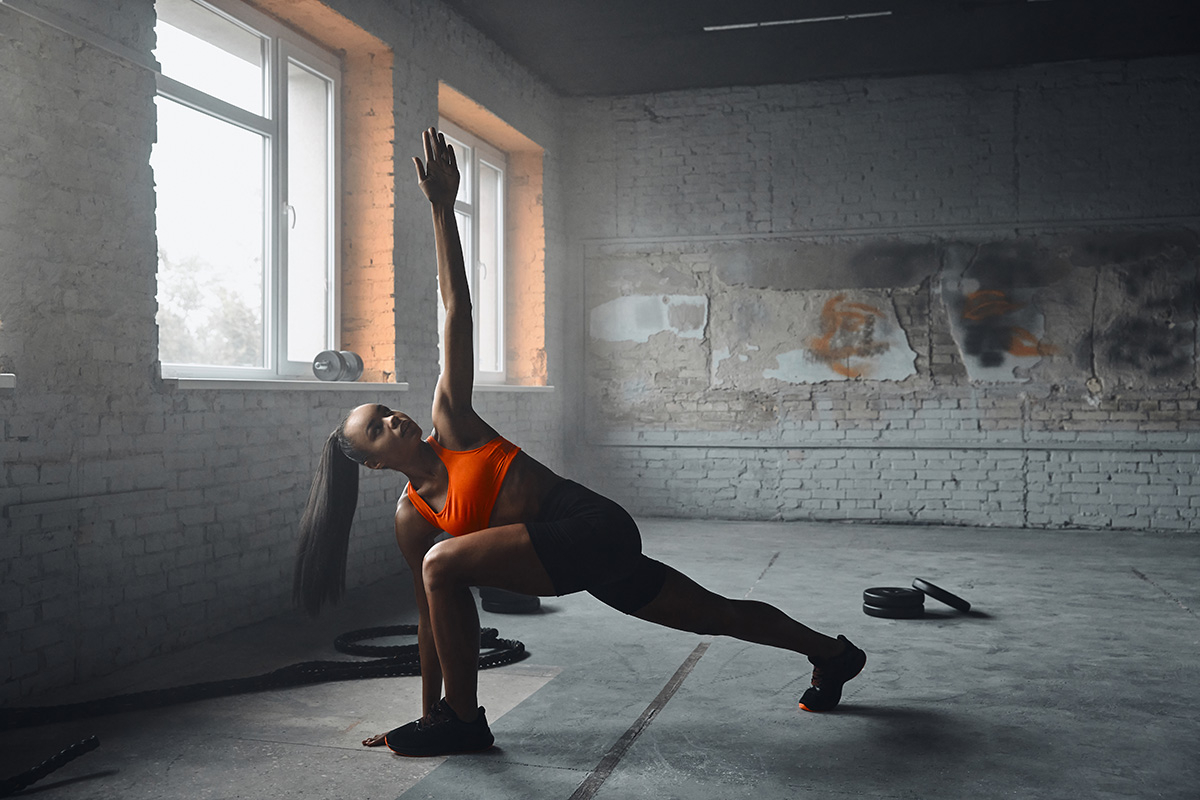
Most people wait until they feel stiff before thinking about mobility work. I definitely did.
Mobility training helps joints move through their intended range of motion with control. That matters whether you lift weights, sit at a desk, chase children around the house, or spend hours driving.
Some of the most useful mobility exercises are also the simplest:
- Cat cow stretches
- Hip openers
- Thoracic spine rotations
- Ankle mobility drills
- Shoulder wall slides
Exercises like sit to stands, spinal rotations, and hip mobility drills support flexibility and independence as people age.
Did you know?
A lot of tightness people blame on aging actually comes from reduced movement variety. Repeating the same sitting positions daily affects hips, shoulders, and lower back mobility more than most people realize.
I usually keep mobility sessions short, around 10 to 15 minutes. Longer does not automatically mean better. Regular practice matters more.
Pilates, Swimming, And Cycling For Recovery
Pilates, swimming, and cycling are especially good for recovery focused fitness because they train endurance and coordination without excessive strain.
Physical therapists frequently recommend these activities because they support joint friendly movement while still improving conditioning.
- Pilates surprised me the most. I expected stretching. Instead, I discovered shaking muscles, core control, and an uncomfortable awareness of how weak my hips actually were.
- Swimming works well for people managing pain because water reduces joint loading.
- Cycling is great for endurance and lower body strength, especially for people who dislike running.
The best part about these workouts is that they leave room for consistency. You can usually repeat them several times weekly without feeling destroyed afterward.
Building A Weekly Routine That Feels Sustainable
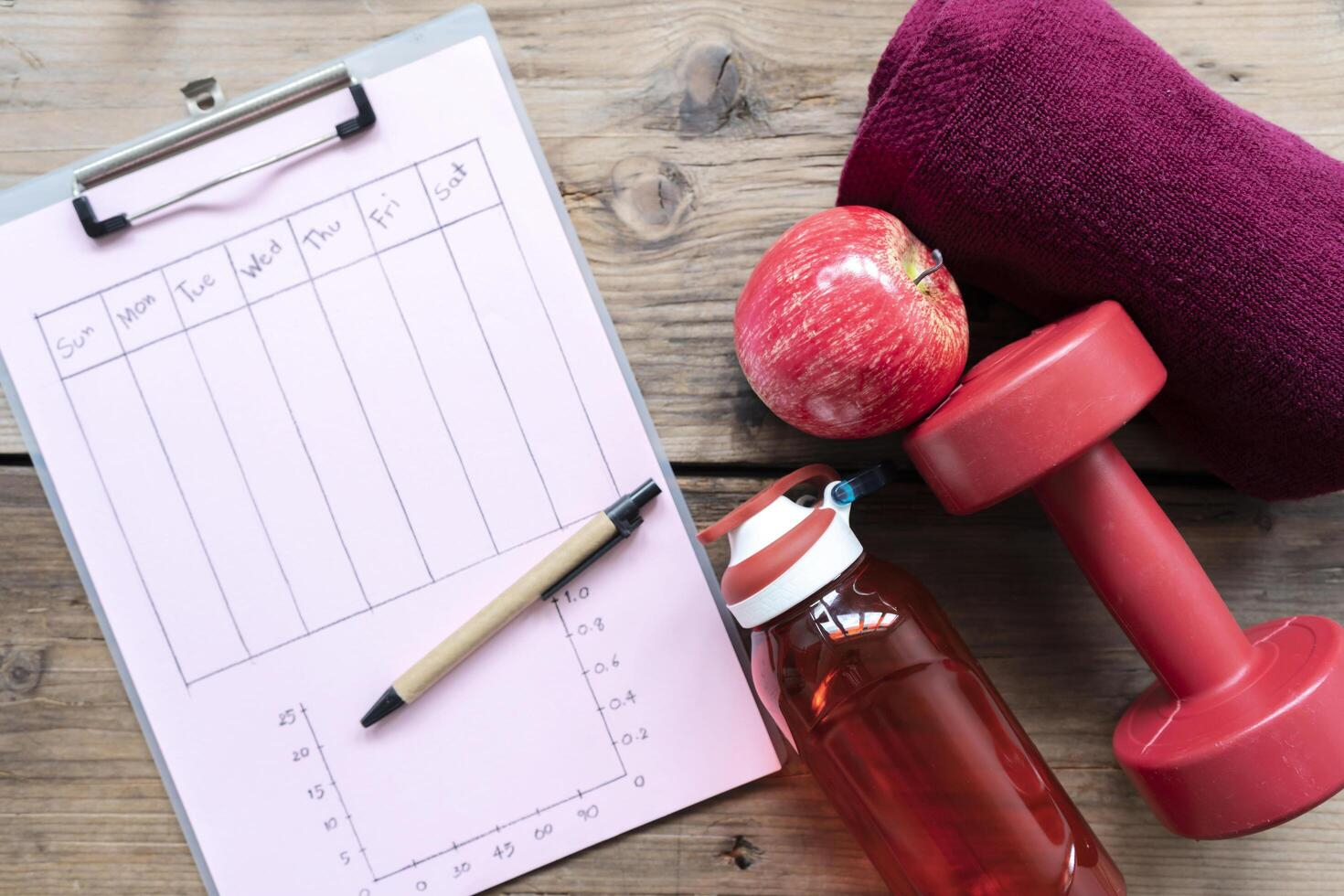
Most people fail fitness plans because the routine asks too much too quickly. I have done that several times myself. Starting aggressively sounds motivating until your body starts negotiating against you by Thursday.
A balanced low impact routine usually combines:
- Strength training two to three times weekly
- Walking or cycling several days weekly
- Mobility sessions throughout the week
- At least one lighter recovery focused day
A physical therapist interviewed by Fit and Well recently emphasized that controlled low intensity workouts improve movement habits and long term independence better than random high intensity sessions done inconsistently.
One thing I always tell friends is this: recovery is part of training, not a reward after training. Sleep, mobility work, hydration, and lighter movement days directly affect progress.
Final Thoughts
Low impact fitness works because it respects how the body actually functions over time. You can build strength, improve balance, increase endurance, and move better without punishing your joints every week.
That approach becomes more valuable with age, busy schedules, stress, or previous injuries. Honestly, it also makes exercise feel more manageable mentally. You stop treating workouts like something you need to survive.
If you are feeling stiff, inconsistent, overly sore, or burned out from intense training, low impact workouts may be exactly what your body has been asking for. The best routine is rarely the most extreme one. Usually, it is the one you can realistically continue doing next month too.