
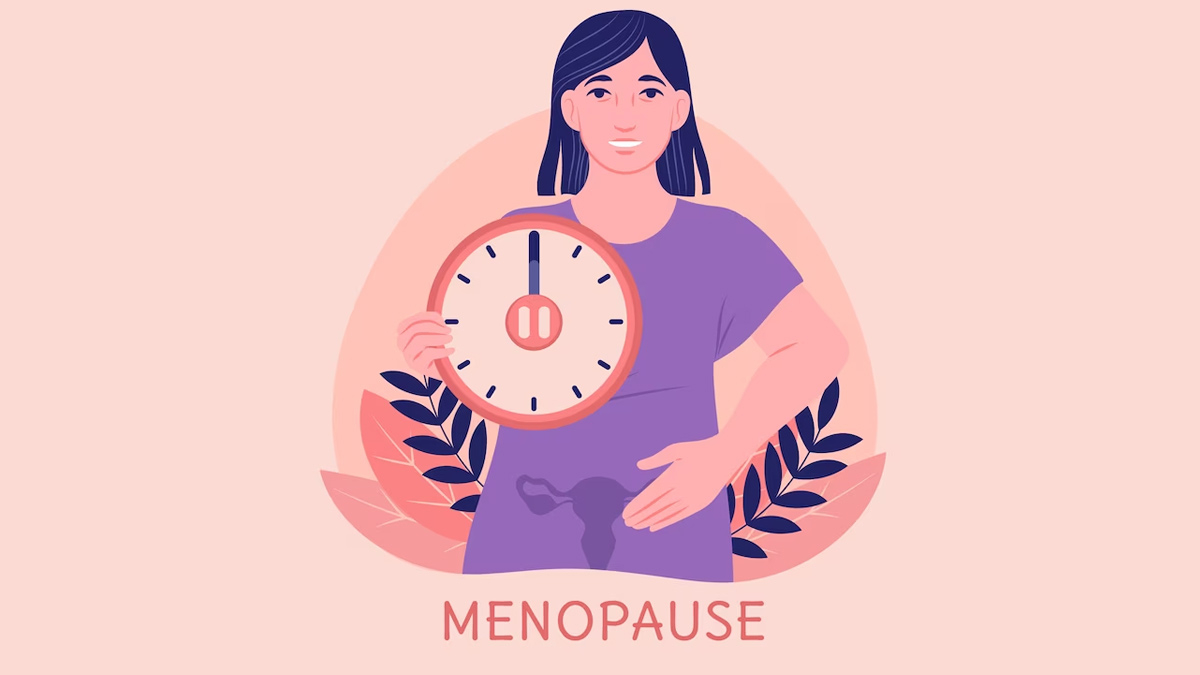
Menopause appointments can feel strangely rushed for something that affects sleep, mood, energy, memory, joints, sex drive, and daily functioning all at once.
A lot of women walk into the office with one symptom in mind and leave realizing they forgot to mention half the things bothering them. I have done that myself.
I once spent ten minutes discussing sleep problems and completely forgot to mention the sudden heart palpitations that had me convinced I needed a cardiologist.
Menopause care works better when you ask direct, specific questions. Doctors are not mind readers, and many symptoms overlap with stress, thyroid problems, anemia, depression, or normal aging. Good conversations matter.
Why preparation changes the entire appointment

Walking into a menopause appointment without notes is risky. Brain fog is real. According to the North American Menopause Society, common menopause symptoms include hot flashes, sleep disruption, mood changes, and vaginal dryness.
If symptoms are affecting your work, relationships, concentration, or sleep, say that clearly. Doctors usually respond better when they understand the impact on daily life.
Many women also benefit from seeing a menopause care specialist when symptoms become complicated or treatment discussions feel unclear.
Primary care doctors can absolutely help, but some clinics simply have more experience managing hormone therapy, sleep issues, and long term menopause health risks.
Before your appointment, write down:
- Changes in your menstrual cycle
- Sleep issues
- Mood or anxiety symptoms
- Physical symptoms like joint pain or vaginal dryness
- Family history of breast cancer, osteoporosis, or heart disease
That list matters more than people think.
Questions about symptoms that are easy to dismiss
A surprising number of women apologize while describing menopause symptoms. Please do not do that. If you are waking up drenched in sweat three nights a week, forgetting basic words mid sentence, or feeling anxious for no clear reason, your doctor needs the full picture.
Ask whether your symptoms are actually related to perimenopause
Perimenopause can start years before periods fully stop. The NHS notes that symptoms may begin long before menopause itself and can include anxiety, mood swings, irregular periods, and brain fog.
You can ask:
- Could these symptoms be caused by perimenopause?
- Should we rule out thyroid problems or iron deficiency too?
- Which symptoms are considered normal and which are not?
Important note: Chest pain, severe bleeding, or sudden major mood changes should never be brushed off as “just menopause.”
That question alone can prevent months of confusion.
Talking about hormone therapy without panic

Hormone therapy conversations still make many women nervous. Some doctors explain it clearly. Others rush through it so quickly that patients leave more confused than before.
Ask direct questions and do not worry about sounding difficult.
Questions worth asking about hormone therapy
Different women have different risk factors, and treatment decisions should reflect that.
| Question | Why it matters |
| Am I a good candidate for hormone therapy? | Medical history changes risk levels |
| What symptoms does it help most? | Some symptoms respond better than others |
| What are the risks in my situation? | Family history matters |
| How long would I take it? | Plans differ by patient |
| Are there non hormonal alternatives? | Some women prefer other options |
According to the Menopause Society, hot flashes affect up to 80% of women during menopause.
Honestly, I wish more women understood that asking about hormone therapy does not mean committing to it. You are gathering information, not signing a contract.
Sleep problems deserve their own conversation

Sleep disruption can become the symptom that makes everything else harder. Poor sleep affects patience, concentration, appetite, mood, and blood pressure. Yet many women mention it casually, almost like it is an annoying side issue.
It is not.
Questions to ask if sleep has become a problem
Research published in Menopause in 2024 found that menopause related sleep disturbance commonly involves repeated nighttime awakenings and poor sleep quality.
Bring up details like:
- Trouble falling asleep
- Waking at 3 a.m.
- Night sweats
- Anxiety spikes at night
- Snoring or possible sleep apnea
Ask:
- Is my sleep disruption connected to hormone changes?
- Would hormone therapy help?
- Should I be evaluated for sleep apnea?
- Are there medications making sleep worse?
Research from the Study of Women’s Health Across the Nation found sleep complaints increase significantly during perimenopause and postmenopause.
One thing I learned the hard way: saying “I’m tired” is too vague. Describe exactly what your nights look like.
Questions about weight, metabolism, and heart health
Many women notice body composition changes during menopause even when eating and exercise habits stay mostly the same. That can feel frustrating, especially when people oversimplify it into “just eat less.”
Hormonal changes affect fat distribution, cholesterol, insulin sensitivity, and muscle mass. That deserves a real conversation, not generic advice.
Important health questions to bring up
Ask your doctor:
- Has menopause changed my cardiovascular risk?
- Should I monitor cholesterol more often now?
- How does menopause affect blood sugar?
- What type of exercise protects bone and muscle health best?
- Should I increase protein intake?
Research continues to examine links between menopause symptoms and cardiovascular health. Some experts are investigating whether severe hot flashes may be associated with higher cardiovascular risk markers.
A lot of women focus only on symptom relief and forget menopause is also a long term health transition. Bone health and heart health deserve attention early, not years later.
Do not skip sexual health questions

Many women avoid this topic completely, especially during short appointments. I understand why. It can feel awkward. Still, vaginal dryness, painful sex, lower libido, and urinary changes are extremely common.
Doctors hear these questions constantly. You are not shocking anyone.
Questions that can improve quality of life
According to menopause guidance from the Menopause Society, vaginal dryness and sexual health concerns are among the common physical changes during menopause.
Ask:
- Why has sex become uncomfortable?
- Would vaginal estrogen help?
- Are recurrent UTIs related to menopause?
- Could pelvic floor therapy help?
- Are there treatments that are not hormonal?
Some women wait years before bringing this up. Years. Please do not do that to yourself.
Short conversations can lead to practical solutions surprisingly quickly.
When to ask for another opinion
Not every doctor is equally informed about menopause care. That is just reality. Some are excellent. Some still minimize symptoms or offer outdated guidance.
If your concerns are dismissed repeatedly, it is okay to look elsewhere.
Signs you may need another opinion:
- Symptoms are brushed off immediately
- You are told to “just deal with it”
- Treatment options are never discussed
- Your questions feel unwelcome
- Serious symptoms are ignored
According to a 2025 Mayo Clinic Proceedings review, many women delay or avoid seeking care for menopause symptoms due to lack of awareness or competing responsibilities.
That statistic honestly made me sad because so many women spend years assuming they simply have to tolerate feeling awful.
Final thoughts
Menopause care should not feel like a guessing game. A good appointment leaves you informed, heard, and clear about next steps. You do not need to walk into the office acting like a medical expert. You just need specific questions and the confidence to ask them.
Bring notes. Mention all symptoms, not just the most embarrassing or dramatic ones. Ask follow up questions when answers feel vague. If something feels off, keep pushing for clarity.
Your body is changing, but that does not mean you stop deserving good care.
FAQs
1. Should I track my symptoms before a menopause appointment?
Yes. Tracking symptoms for several weeks helps identify patterns involving sleep, mood, hot flashes, bleeding changes, and anxiety. Doctors can usually give more accurate guidance when they see patterns instead of isolated complaints.
2. Can menopause symptoms happen even if periods are still regular?
Yes. Perimenopause can begin years before periods stop completely. Some women notice sleep changes, anxiety, or hot flashes while cycles still appear fairly normal.
3. How long should a menopause appointment ideally last?
If possible, request a longer appointment. Menopause symptoms often involve multiple body systems, and rushed visits make detailed conversations difficult.
4. Is it normal to feel emotionally different during menopause?
Hormonal fluctuations can affect mood, anxiety levels, irritability, and emotional regulation. Persistent depression or severe anxiety still deserves proper evaluation rather than automatic dismissal as menopause.
5. Should I bring lab results or medication lists to the appointment?
Absolutely. Bring supplements, medications, prior hormone test results, and family medical history. That information can affect treatment recommendations and safety decisions.