

A new exercise routine often starts with good intentions. Maybe you decide to run three mornings a week, join a gym, or finally follow the workout plan you’ve been saving. For the first couple of weeks, motivation does most of the work.
Then real life gets in the way.
A busy week, a late night, a sore muscle, bad weather, or simply a loss of enthusiasm can make the routine difficult to maintain. This is where many exercise plans fall apart – not because the person lacks discipline, but because the plan was never designed to fit real life.
A sustainable exercise routine looks different. It does not have to be perfect, intense, or particularly complicated. It needs to be something you can continue doing.

Start With What You Can Actually Maintain
One of the easiest mistakes is doing too much too soon. If you have been mostly inactive, suddenly planning five intense workouts a week may feel motivating, but it can also leave you exhausted or sore enough to abandon the plan.
A better starting point is the amount of activity you can realistically fit into your current schedule.
That might mean a 20-minute walk after work, two short strength sessions each week, or cycling on the weekend. Once those activities become familiar, you can gradually increase their duration or intensity.

The current U.S. physical activity guidelines recommend that adults get at least 150 minutes of moderate-intensity aerobic activity each week, along with muscle-strengthening activities on at least two days. Importantly, the CDC also emphasizes that some activity is better than none and that activity can be divided into smaller periods throughout the week.
The recommendation is a useful target – not a reason to feel that a 20-minute workout was pointless because it did not reach 30.
Choose Activities You Don’t Mind Repeating
There is no single exercise that everyone needs to love. The most effective activity for long-term consistency is often the one you are willing to do regularly.
For one person, that might be running. For another, it could be swimming, hiking, dancing, cycling, strength training, or brisk walking.
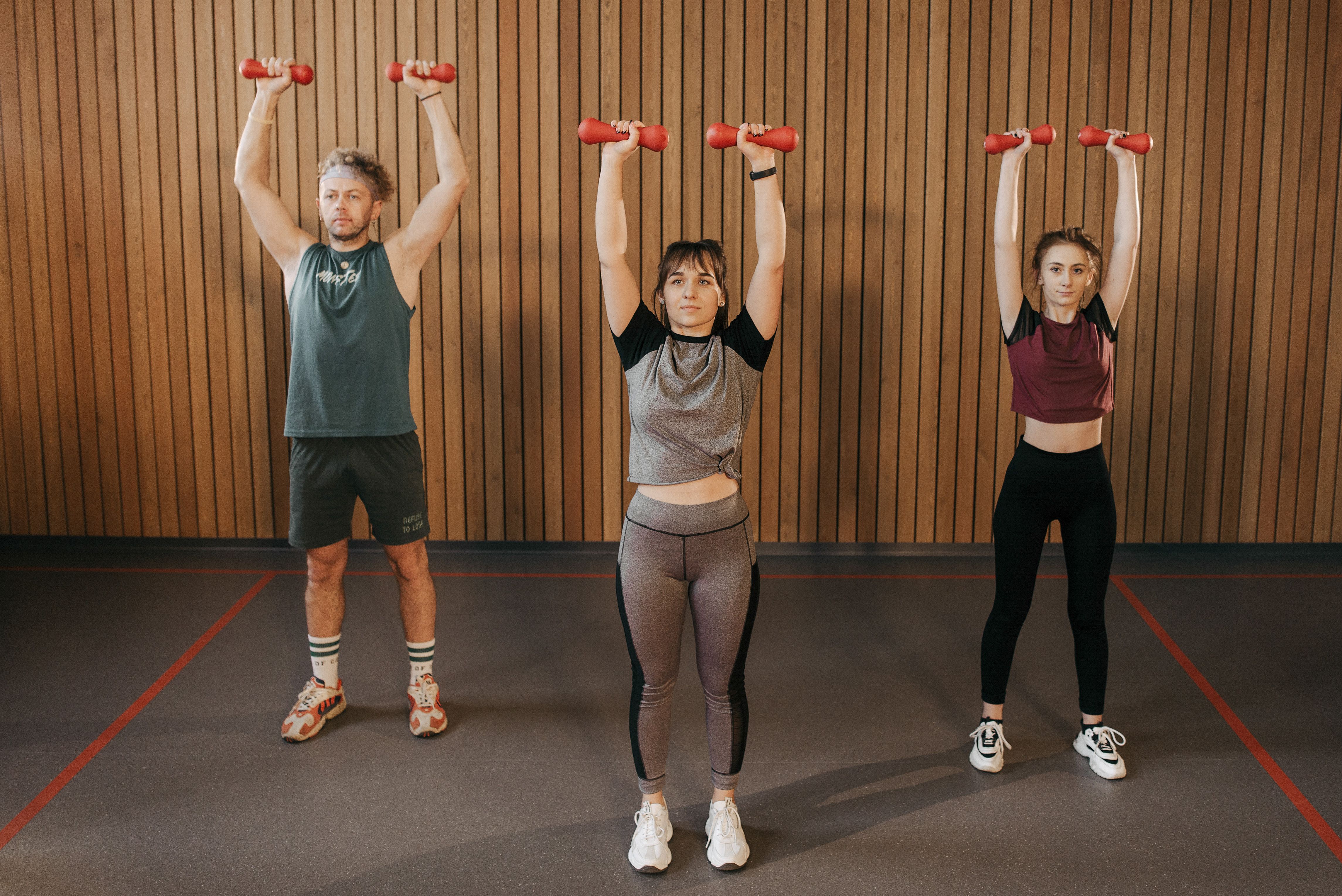
Enjoyment matters, but convenience matters too. A fantastic workout that requires a 45-minute drive may be harder to maintain than a simple routine at a nearby gym or in your own neighborhood.
Think about what makes exercise easier to repeat. Do you prefer exercising alone or with other people? Do you have more energy in the morning or evening? Would you rather take a class, follow a program, or decide what to do when you arrive?
The answers can help turn exercise from an occasional event into part of your normal week.
Build a Mix of Movement
A sustainable routine does not need to revolve around one type of exercise.
Aerobic activity supports cardiovascular fitness, while strength training helps maintain and develop muscle. Mobility and balance work can complement both, particularly as people get older.
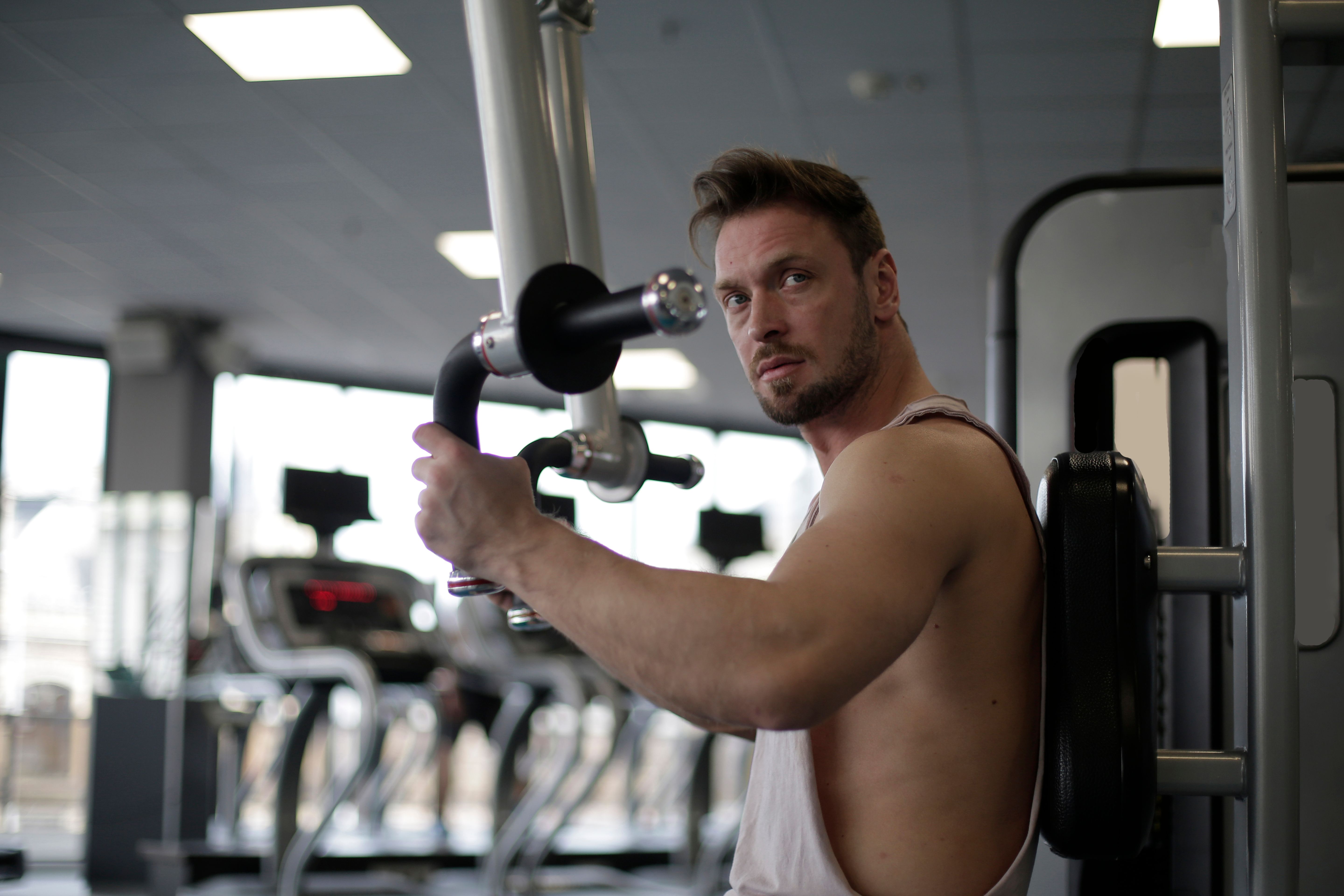
A simple weekly schedule might include:
- Several walks, bike rides, swims, or other forms of aerobic activity
- Two strength-training sessions
- Short mobility sessions or movement breaks
- At least some lighter days for recovery
Strength training does not necessarily mean lifting heavy weights. Resistance bands, bodyweight exercises, machines, and free weights can all be used to strengthen major muscle groups. The CDC includes activities such as weightlifting, resistance-band exercises, and bodyweight movements among examples of muscle-strengthening activity.
The goal is not to create the most impressive training schedule. It is to create one that covers different aspects of fitness without making your week revolve around exercise.
Give Your Body Time to Adapt
Progress is important, but so is recovery.
Increasing workout frequency, distance, weight, or intensity too quickly can make exercise harder to sustain. A gradual approach gives your body time to adapt and allows you to recognize when something is not working.

Recovery does not necessarily mean doing nothing. A lighter walk, gentle mobility session, or an easier workout can be useful between more demanding sessions – a practice sometimes called active recovery, which can reduce soreness and support long-term performance.
It is also worth paying attention to persistent pain rather than assuming that discomfort is simply part of getting fitter. An exercise routine should challenge you, but it should not require you to ignore symptoms that are getting worse.
Make the Routine Flexible
A sustainable routine needs to survive imperfect weeks.
If you normally exercise four times a week but only have time for two sessions, those two sessions still count. If bad weather prevents your usual outdoor workout, find an indoor alternative. If you miss a week because of travel or illness, restart without trying to compensate by doubling your workload.
This flexibility can be more valuable than rigid motivation.
Fitness Unicorn’s recent approach to exercise content similarly emphasizes repeatable routines, gradual progression, and allowing room for recovery rather than treating every workout as a test of endurance.
The objective is to create a pattern that can accommodate the rest of your life.
Track Progress Beyond the Scale
Weight can be one measure of change, but it is far from the only one.
You might notice that you can walk farther without getting tired, carry groceries more easily, perform an exercise with better technique, or recover faster after a workout. You may simply feel more comfortable moving through your day.
These changes can be motivating because they reflect improvements in physical function rather than focusing exclusively on appearance.
For older adults, physical activity has an additional role in maintaining independence and quality of life. The CDC recommends combining aerobic activity and muscle strengthening with balance activities for adults aged 65 and older.
That makes exercise less about chasing a particular fitness ideal and more about preserving the ability to do the things that matter in everyday life.
Think About Exercise as Part of Long-Term Health
Exercise works best when it is considered alongside the other habits that shape health: nutritious food, sufficient sleep, stress management, and regular medical care.
That broader perspective is useful when setting fitness goals. Instead of asking only, “How quickly can I improve my fitness?” it can be more helpful to ask, “What kind of routine can support my health for years to come?”
A personalized approach to long-term health can take into account a person’s current fitness level, health history, goals, preferences, and everyday circumstances. This is one reason preventive and personalized healthcare can complement an individual’s own efforts to stay active.
Ultimately, a sustainable exercise routine is not the one that leaves you exhausted after every session. It is the one you can return to next week, next month, and next year.
Start where you are. Choose movement that fits your life. Build gradually, allow time for recovery, and adjust the plan when circumstances change. Consistency may not be as dramatic as an intense new workout challenge, but over the long term, it is what turns exercise into a lasting part of a healthier life.