
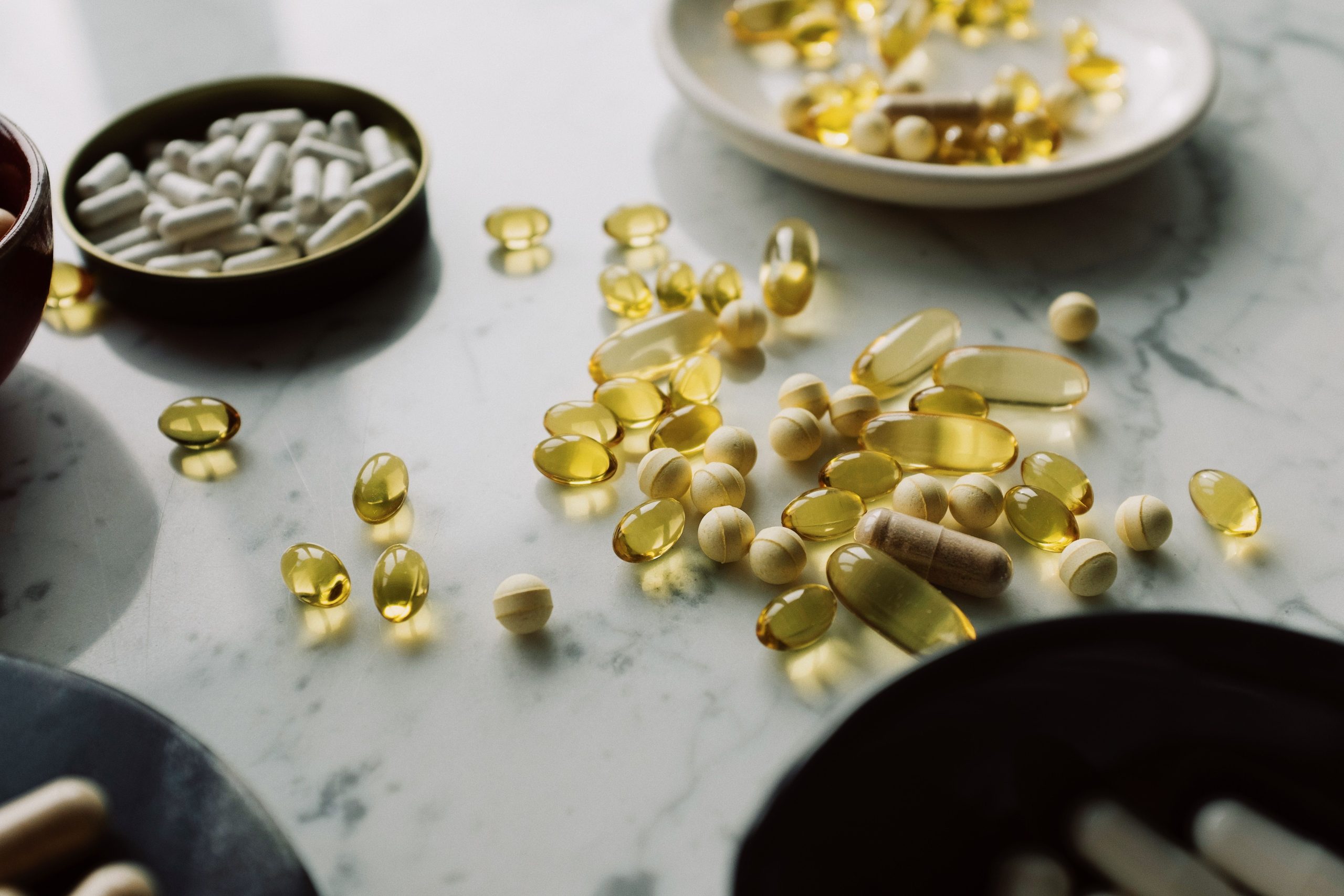
Walk into any gym locker room and you’ll find the same small pharmacy: a tub of vitamin C, a bottle of high-dose vitamin E, tart cherry concentrate, turmeric capsules, and usually a dropper bottle of something dark and expensive. Active adults are among the heaviest users of antioxidant supplements, and the logic feels airtight – exercise generates free radicals, free radicals damage cells, antioxidants neutralise them, so take more of them.
The logic is where the trouble starts. As a description of exercise biology it’s roughly half right, and as a reason to buy capsules it has survived about four decades of research that keeps pointing in the other direction. That doesn’t mean every compound on the shelf is worthless. It means the pills are much less useful than the aisle suggests, and a couple of them are quietly working against the very adaptation you train for.
What antioxidants actually do during exercise
Exercise produces reactive oxygen and nitrogen species – the umbrella term that includes what the supplement industry still calls “free radicals.” For years the assumption was simple: these molecules cause damage, full stop. The picture changed once researchers realised that a lot of that reactive oxygen is not debris. It is signal. It switches on transcription factors like PGC-1α and the MAPK pathways that drive mitochondrial growth and muscle remodelling after training.
This is the idea of hormesis: a small stress makes the system stronger. Your body also builds its own defences in response. After only a handful of training sessions, the activity of endogenous antioxidant enzymes such as superoxide dismutase and glutathione peroxidase rises. As the University of Florida physiologist Scott Powers has pointed out, the body can expand its own protective capacity within days – “in reality, we have no evidence that these supplements benefit exercisers.”
That sentence is the hinge of this entire topic. The person most likely to go buy a big antioxidant stack is a moderately active adult with a solid diet and no deficiency. That is precisely the person whose body is already handling the load and whose training signal is already doing its job.
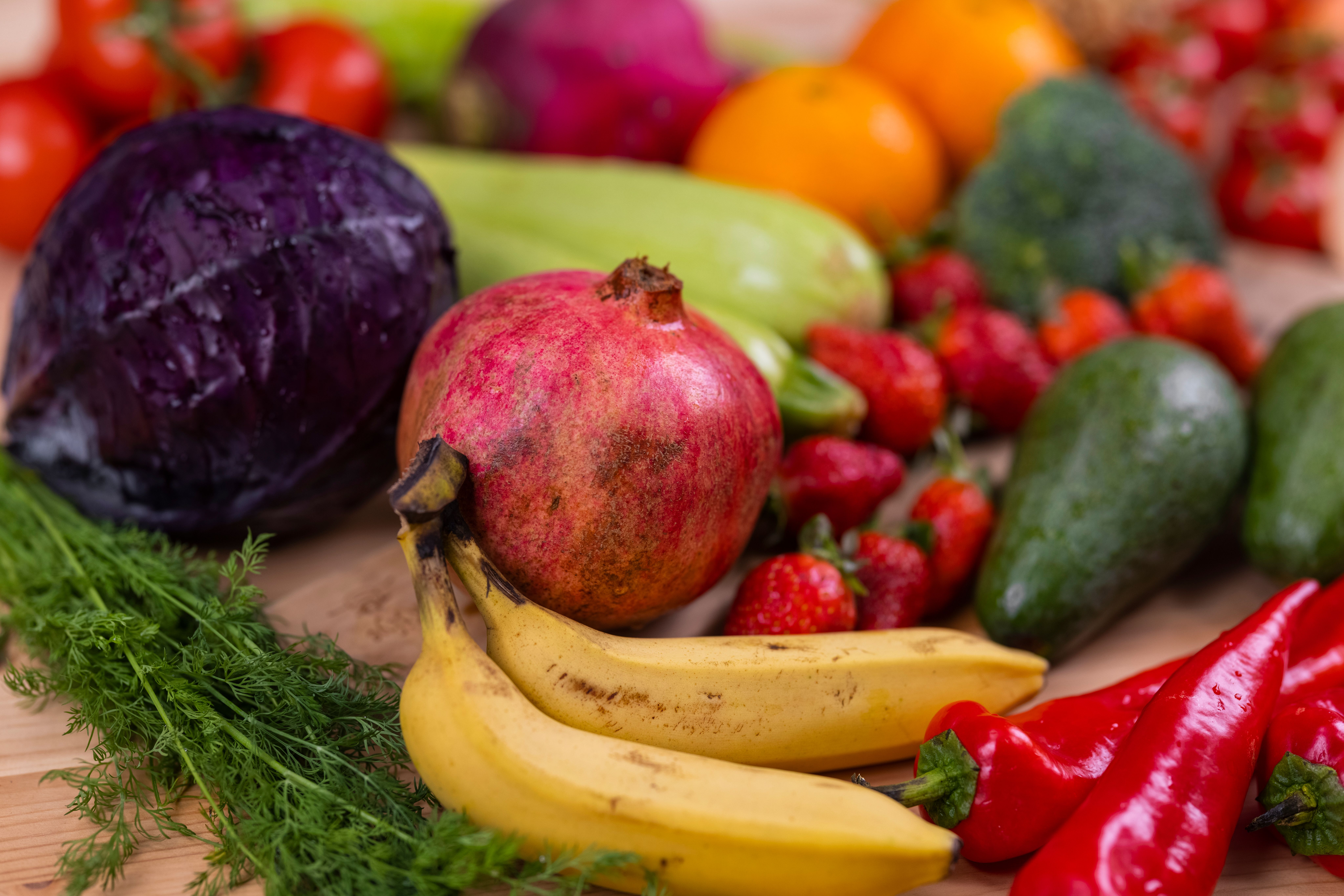
Food first, and it isn’t close
If the goal is a better redox balance, the evidence for whole foods is far stronger than for isolcapsules. Polyphenols from fruit, vegetables, berries, tea, and cocoa arrive as complex mixtures that interact with gut bacteria and each other. A single isolated vitamin pill delivers one molecule at a dose that no food ever produced.
That gap matters because the studies linking antioxidants to better health – lower inflammation, better vascular function, less oxidative damage – were almost entirely studies of diets, not of supplements. When researchers extract one compound and put it in a capsule, the effect frequently evaporates. I think this is the single most useful thing an active adult can take away from the literature: the food claims travel with the food, and they rarely survive the journey into a pill.
C60 in olive oil: remarkable rodent data, almost no human data
The strangest molecule sold as an antioxidant is C60 – a soccer-ball-shaped cage of sixty carbon atoms, discovered in 1985 and handed a Nobel Prize in Chemistry in 1996. It refuses to dissolve in water, but it dissolves in oil, which is how the signature formulation arose: C60 in olive oil.
The origin story explains the excitement. In 2012 a French team fed rats C60 dissolved in olive oil and reported a large extension of lifespan – in one group, roughly a 90% increase, still among the biggest chemical lifespan effects recorded in rodents. Then the replication failed. A 2020 study in GeroScience dosed mice with pristine C60 in extra-virgin olive oil and found no lifespan or health-span benefit. It also found that samples bought from online vendors differed wildly in appearance, concentration, purity, and measurable antioxidant activity.
There is a second wrinkle worth knowing before you get curious. The same study showed that C60-in-oil degrades under ordinary light exposure into species that were toxic to mice. A certified 2024 oral-toxicity study in rats found no adverse effects at the highest feasible dose, but the material used came from a supplier providing fine-grade, high-purity fullerene protected from light. That distinction is the whole ballgame. Purity and storage here are not marketing details; they are the difference between the molecule and its breakdown products, which is why the material used in the certified study – fine-grade 99.99% pure C60 in olive oil, dissolved in extra-virgin olive oil – matters as much as the compound itself.
My read: fascinating chemistry, a textbook lesson in why replication matters, and essentially no human clinical data on benefits. That is a category for people who enjoy being the experiment, not a recovery strategy.
Where the pills fall short: the real data
Start with the broadest test. A Cochrane review of 78 randomised trials pooled nearly 300,000 participants taking beta-carotene, vitamin A, vitamin C, vitamin E, or selenium. It found no evidence that antioxidant supplements reduced mortality, and in the trials with the lowest risk of bias they slightly increased it. Beta-carotene and vitamin E were the specific offenders; vitamin C and selenium came out roughly neutral.
That is a general-population finding, not a sport finding, and it’s the strongest argument against the “can’t hurt” position. For recovery specifically, the picture is more nuanced. A 2025 meta-analysis of 26 randomised trials in 505 athletes found that antioxidant supplements reduced post-exercise lactate and creatine kinase – markers of fatigue and muscle-membrane leakage – but had no consistent effect on most oxidative-stress and inflammation markers, and the heterogeneity was high enough that the authors urged caution. Translation: some recovery signals moved, the biology underneath them mostly didn’t, and the studies disagreed with each other.
| Compound | What the pooled evidence shows | The catch |
|---|---|---|
| Vitamin C + E (high dose) | Little benefit for recovery; can blunt some training adaptations | May reduce mitochondrial signalling; associated with higher mortality at high doses in the general population |
| N-acetylcysteine (NAC) | Reduces soreness, lactate, IL-6 and TBARS after exercise in several meta-analyses | Other reviews find no recovery benefit; effects may be limited to people with low glutathione |
| Tart cherry | Small-to-moderate benefit for soreness and strength recovery | Not universal; best evidence for soreness, weaker for objective damage markers |
| Curcumin | Some meta-analyses show reduced CK and soreness | Others find no significant effect; poorly absorbed without formulation help |
| Coenzyme Q10 | May lower malondialdehyde and creatine kinase | No effect on VO2max or lactate; small trials |
| C60 (fullerene) | Strong antioxidant activity in lab models | No confirmed human benefit; lifespan data failed to replicate; light-degradation toxicity concern |
Effect estimates above are pooled averages from the meta-analyses and trials discussed in this section. Individual responses vary, and most of these trials were small and short.
The blunting question: do antioxidants sabotage your training?
This is the finding that should make any serious exerciser pause. In a randomised controlled trial published in The Journal of Physiology, vitamin C and E supplements blunted the training-induced rise in mitochondrial proteins – the machinery that makes you more aerobically fit. Participants took 1,000 mg of vitamin C and 235 mg of vitamin E daily for eleven weeks. Their VO2max still improved the same as the placebo group, but the cellular adaptation underneath it stalled. The muscle was training; the signal to rebuild was being muted.
The counterargument deserves equal weight, and it comes from the same literature. A 2019 systematic review and meta-analysis of randomised trials found that vitamin C and/or E did not attenuate improvements in aerobic capacity, endurance performance, lean mass, or strength once the studies were pooled. So the honest summary is that blunting is real in some individual studies, especially with high doses, but it is not the uniform outcome the more alarmist headlines imply.
Dose and timing seem to decide which way it goes. Low-dose, food-derived polyphenols taken around training look benign or helpful. Gram-level isolated vitamins taken daily for weeks – while you’re trying to build mitochondria – are the risky pattern. If you’re training for adaptation, that’s the combination I’d avoid.
The handful of compounds with something behind them
Three stand out because independent groups have replicated at least part of the effect, and because the benefits are specific rather than sweeping.
N-acetylcysteine (NAC)
NAC works less as a direct radical-scavenger than as raw material for glutathione, your body’s master antioxidant. A 2024 systematic review and meta-analysis of 20 studies found it reduced muscle soreness, lactate, IL-6, and TBARS after exertion. But other pooled analyses found no effect on recovery biomarkers, and a 2017 study reported that NAC improved performance only in people who started with low glutathione. That last detail is the important one: the people who benefit appear to be the people who were deficient to begin with.
Tart cherry
Tart cherry is the most reliable thing in this category. A 2021 meta-analysis found a small benefit for soreness and a moderate benefit for strength recovery, and a 2026 network meta-analysis of 30 trials found tart cherry and pomegranate were the only supplements that significantly reduced 48-hour soreness. The catch is that the benefit concentrates on how sore you feel, not always on objective markers like creatine kinase. If you train hard enough to get genuinely sore, though, this is the closest thing to a defensible purchase in the whole aisle.
Curcumin
Turmeric’s active compound has real anti-inflammatory activity, and one meta-analysis found meaningful reductions in creatine kinase and soreness. Another found no statistically significant effect on any outcome. Curcumin is also poorly absorbed unless it’s formulated with piperine or a lipid carrier, which is why “turmeric supplement” on a label tells you very little. My take: interesting, promising, and not yet proven enough to be plan A.
So what should an active adult actually do?
Here’s where I’d land, and where a reasonable person could push back.
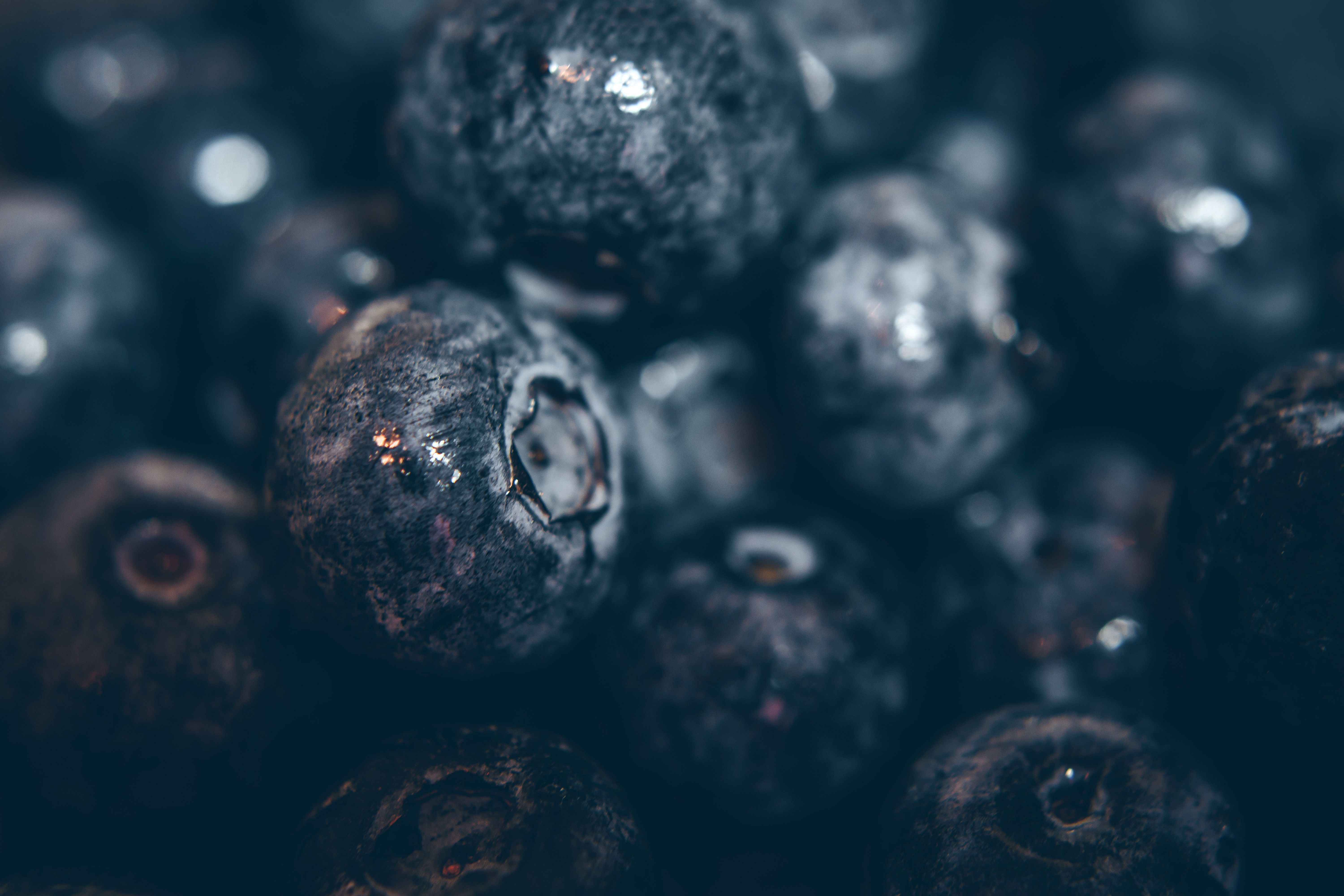
Get the antioxidants from food, where the evidence is strongest and the risk is essentially zero. Eat berries, colourful vegetables, tea, cocoa, olive oil, and enough protein to recover. Your own antioxidant system will rise to meet the training load within a couple of weeks – that adaptation is part of getting fitter, and suppressing it with high-dose pills is a bad trade.
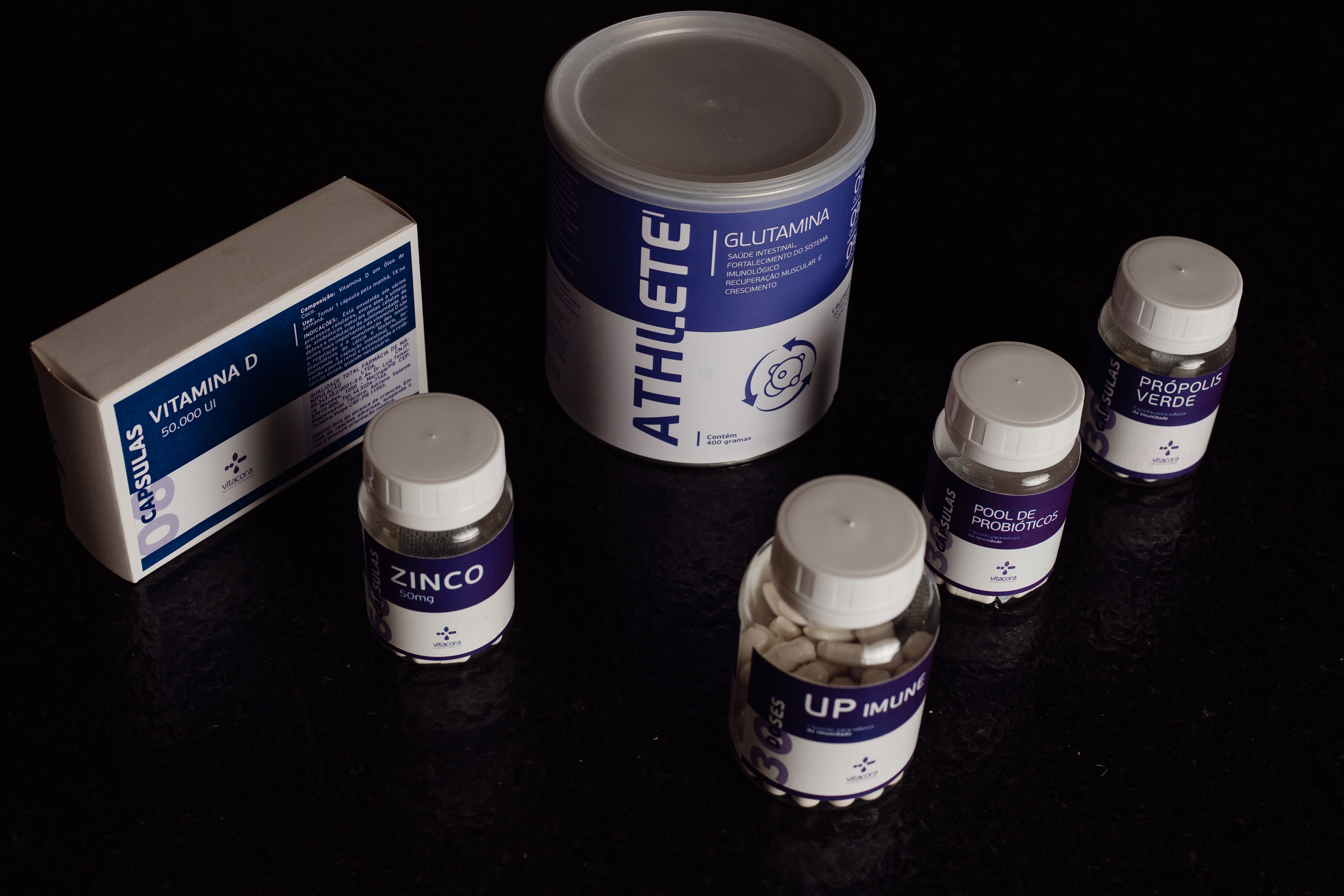
If you want a supplement, be specific. Tart cherry around blocks of hard training. NAC if you have reason to think your glutathione is low, not as a default. Curcumin at a low, well-formulated dose if soreness is your actual problem. Skip the megadose vitamin C and E habit during adaptation phases.
And treat the exotic end of the market – C60, astaxanthin, and the rest – as experimental, not routine. The pattern across all of them is the same: striking animal data, thin human data, and a strong dependence on purity and formulation.
Frequently asked questions
Do antioxidant supplements speed up muscle recovery?
A few do, modestly, and only for a narrow set of outcomes. Tart cherry has the steadiest support for reducing soreness and aiding strength recovery. NAC and curcumin show effects in some meta-analyses but not others. Broad-spectrum vitamin pills have consistently failed to improve recovery.
Should I take vitamin C and E after training?
For most well-fed, moderately active adults, no – unless a clinician has told you otherwise. The benefit is unproven, and high doses taken daily during hard training have been shown to blunt some of the cellular adaptations you’re training to create.
Do antioxidants really blunt muscle growth?
The honest answer is “sometimes, at high doses.” Some trials show reduced mitochondrial signalling; pooled analyses show no overall attenuation of strength or aerobic gains. The safest reading is that isolating and megadosing single vitamins is the pattern to avoid, while food-based polyphenols are not a concern.
When might a targeted antioxidant actually help?
Around unusually heavy or novel training, when soreness is limiting your next session, or when you have a documented low level like low glutathione. These are situational uses, not daily habits.
What about novel antioxidants like C60?
They are not ready for routine use. C60’s lifespan results did not replicate in mice, human trials are essentially absent, and the compound can degrade into harmful products under light. If you experiment, purity, formulation, and storage matter enormously.
The bottom line
Antioxidants are not a mistake in biology; they are a mistake in marketing. Reactive oxygen is part of how your body adapts to training, and the supplement industry has spent decades selling a product that mostly interferes with that signal at the doses people actually take. Whole foods remain the best delivery system, a small number of targeted compounds have earned a place around hard training, and the exotic end of the market is best watched rather than swallowed. Buy real food, train hard, and treat the pill bottle as the last option, not the first.