

Inflammation sits at the center of many health conversations, from lingering joint pain to slow recovery after injury. Hyperbaric oxygen therapy, often shortened to HBOT, has quietly moved from hospital wards into broader wellness discussions because of its relationship with inflammatory processes.
Curiosity around the therapy keeps growing, especially among people dealing with chronic pain, autoimmune flares, or stubborn post-injury swelling.
A clear look at how hyperbaric oxygen therapy interacts with inflammation helps separate realistic expectations from hype. The science holds nuance, and the results from human studies paint a picture that feels grounded rather than miraculous.
What Hyperbaric Oxygen Therapy Actually Involves
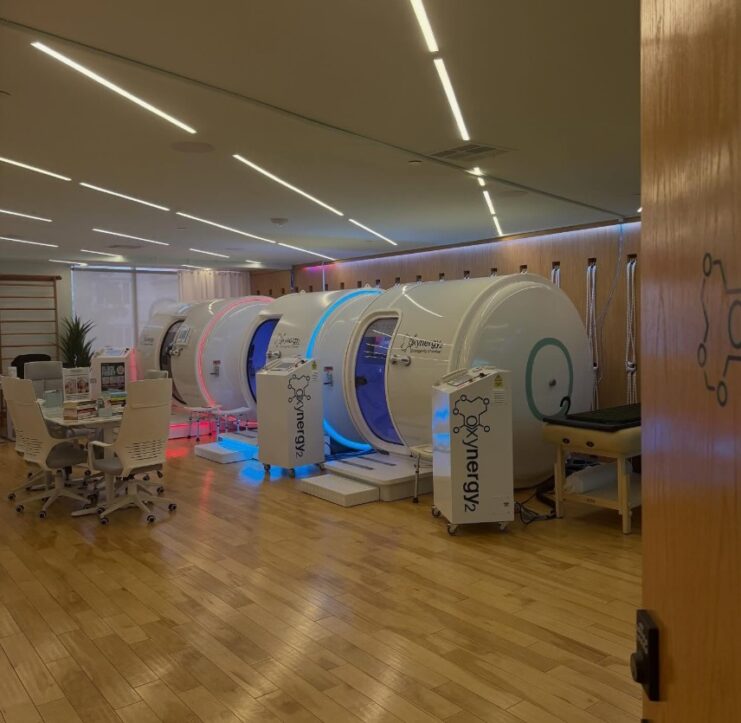
Hyperbaric oxygen therapy places a person inside a sealed chamber where air pressure rises above normal atmospheric levels. Inside that environment, the lungs take in oxygen at higher pressure, allowing oxygen to dissolve into blood plasma at levels not possible during regular breathing.
Sessions usually last 60 to 90 minutes. Some medical settings use pressures closer to 2.0 or 2.5 atmospheres, while wellness centers often operate at lower ranges. The setting matters, since pressure level influences biological effects.
Oxygen carried in plasma reaches tissues with limited blood flow, inflamed regions, and areas affected by microvascular damage. That delivery plays a central role in how inflammation responds
In clinical settings focused on tissue repair, providers offering Wound healing Los Angeles often rely on hyperbaric oxygen therapy to increase oxygen delivery in areas with poor circulation.
Why Inflammation Becomes a Long-Term Problem
Inflammation begins as a protective response. Swelling, redness, heat, and pain signal immune activity aimed at repair. Trouble appears when inflammatory signaling stays switched on.
Chronic inflammation often involves:
- Persistent activation of immune cells
- Excess release of pro-inflammatory cytokines
- Impaired oxygen delivery to the affected tissue
- Ongoing oxidative stress
- Delayed cellular repair cycles
Pain conditions, autoimmune disorders, traumatic brain injury, post-surgical recovery, and some neurological syndromes share these features. Oxygen availability influences nearly every step in that chain.
Oxygen Availability And Cellular Signaling
Cells depend on oxygen to produce energy through mitochondrial activity. When oxygen supply drops, cells shift into survival mode, triggering inflammatory signaling pathways.
Low oxygen tension, known as hypoxia, stimulates factors such as hypoxia inducible factor 1 alpha. That protein activates genes tied to inflammation, angiogenesis, and immune cell recruitment.
Hyperbaric oxygen therapy changes that internal environment. Elevated oxygen pressure reverses hypoxia at the tissue level. Cells receive enough oxygen to return to balanced metabolic activity, which influences inflammatory signaling downstream.
Mechanisms Linking HBOT To Reduced Inflammation
Research points to several overlapping mechanisms through which hyperbaric oxygen therapy affects inflammation.
Modulation Of Cytokine Activity
Inflammatory cytokines such as TNF alpha, IL 1 beta, and IL 6 drive pain and swelling in many chronic conditions. Multiple controlled studies report reductions in circulating pro-inflammatory cytokines following structured hyperbaric oxygen therapy protocols.
Anti-inflammatory cytokines, including IL 10, often increase during treatment cycles. That shift influences immune balance without suppressing immune function.
Effects On White Blood Cell Behavior
Hyperbaric oxygen therapy alters how neutrophils and macrophages behave. High oxygen pressure reduces excessive neutrophil adhesion to blood vessel walls, a process associated with tissue damage during chronic inflammation.
Macrophages show changes toward repair-oriented phenotypes. That shift supports tissue remodeling rather than prolonged inflammatory signaling.
Improved Microcirculation
Inflammation often damages small blood vessels, limiting oxygen delivery further and creating a feedback loop. HBOT promotes angiogenesis, the formation of new capillaries, in damaged tissue.
Better circulation supports oxygen delivery long after sessions end. Improved blood flow reduces swelling by supporting fluid exchange and waste removal.
Influence On Oxidative Stress
Oxygen exposure raises questions about oxidative stress. Controlled hyperbaric environments appear to activate antioxidant defense systems over time.
Repeated sessions stimulate enzymes such as superoxide dismutase and catalase. That response helps neutralize reactive oxygen species linked to chronic inflammation.
Reduction Of Edema
Pressure changes during therapy promote vasoconstriction without reducing oxygen availability. Swelling decreases while tissues continue receiving oxygen. That combination explains why HBOT often reduces edema without impairing healing.

What Human Studies Show
Clinical research around hyperbaric oxygen therapy spans decades. Results vary by condition, treatment protocol, and outcome measured. Several patterns appear across inflammatory disorders.
Chronic Wound And Soft Tissue Inflammation
HBOT remains a standard adjunct therapy for non-healing wounds. Diabetic foot ulcers, radiation injuries, and surgical wounds demonstrate reduced inflammation markers and improved healing timelines after treatment cycles.
Reduced swelling and pain often accompany tissue repair, pointing toward anti-inflammatory effects tied to oxygen-driven cellular recovery.
Traumatic Brain Injury And Neurological Inflammation
Low-grade inflammation persists long after head injury. Small randomized trials and observational studies report improvements in cognitive function, headache frequency, and quality of life following hyperbaric oxygen therapy.
Inflammatory biomarkers measured in cerebrospinal fluid and blood show downward trends in several studies. Imaging data also suggests improved cerebral blood flow.
Autoimmune And Inflammatory Pain Conditions
Fibromyalgia, rheumatoid arthritis, and inflammatory bowel disease appear in emerging research. Some trials report pain reduction, improved mobility, and decreased inflammatory markers.
Results vary widely. Response often depends on disease severity, session count, and pressure used.
Post-Exercise And Musculoskeletal Inflammation
Athletes and physically active individuals use hyperbaric oxygen therapy to address delayed onset muscle soreness and soft tissue inflammation. Studies show mixed outcomes.
Some trials demonstrate reduced inflammatory markers and faster recovery, while others report minimal differences compared to rest alone. Protocol design plays a major role.
Session Structure And Dosing Considerations
Inflammation response depends on exposure patterns. Single sessions rarely produce lasting changes. Clinical protocols often involve 20 to 40 sessions delivered over several weeks.
Pressure level influences results. Medical grade chambers typically operate between 2.0 and 2.5 ATA. Mild chambers use lower pressure and show less consistent inflammatory effects.
Factors influencing response include:
- Baseline inflammation level
- Tissue oxygen deficiency severity
- Underlying vascular health
- Nutritional status
- Sleep quality
A Grounded Perspective
Hyperbaric oxygen therapy offers a biologically plausible approach to inflammation reduction. Oxygen availability shapes immune signaling, tissue repair, and vascular health. Human studies show meaningful improvements across several inflammatory conditions, especially when protocols follow medical standards.
Results vary, and therapy outcomes depend on individual physiology and condition severity. HBOT functions as a supportive tool rather than a standalone cure. For people seeking inflammation reduction rooted in cellular biology, oxygen under pressure remains an option supported by growing clinical evidence.