
Achy knees, stiff hips, or shoulders that complain after a long day can make exercise feel like the problem rather than part of the solution. Yet about 33 million U.S. adults have osteoarthritis, according to the CDC.
So, should you rest more, move more, or completely change your diet? Usually, the smartest answer is a measured combination.
This practical guide explains how to support joint health with low-impact movement, strength work, everyday food choices, sensible recovery, and realistic supplement checks, without turning your week into a full-time wellness project or promising overnight results.
Here’s What’s Inside: The Joint-Support Basics
Healthy joints depend on more than cartilage alone. You do not need punishing workouts or a “perfect” menu. A practical joint health plan focuses on repeatable habits:
- Build toward regular low-impact aerobic exercise.
- Strengthen the muscles around frequently used joints.
- Practice mobility without forcing painful ranges.
- Eat mostly minimally processed foods and enough protein.
- Increase training gradually and schedule recovery.
These strategies can support function and resilience over time, but they do not diagnose or cure arthritis. Persistent swelling, instability, heat, redness, locking, or pain after an injury deserves professional assessment rather than another internet workout.
Start With a Joint-Friendly Weekly Exercise Plan

For general health, federal guidance recommends 150 to 300 minutes of moderate aerobic activity weekly plus muscle-strengthening work on at least two days. Any amount of movement can still provide benefits, so beginners should build up rather than chase the full target immediately. The Physical Activity Guidelines for Americans also emphasize moving more and sitting less.
Try this starter rhythm: walk, cycle, or swim for 20 minutes on three days; complete two short full-body strength sessions; and use five-minute mobility breaks on busy days. Keep at least one easier day between demanding sessions for the same muscles. If 20 minutes feels uncomfortable, split it into two 10-minute blocks. Record each session on a calendar, and adjust the next week from what you actually completed. Consistency is the win.
Treat Collagen as an Optional Extra, Not the Foundation
Food quality and training come first, but some people also consider collagen peptides. A Hydrolyzed collagen powder is designed to dissolve easily and add protein to drinks or food. According to the manufacturer, this product contains one ingredient: grass-fed, pasture-raised bovine Types I and III collagen, with no GMO ingredients, fillers, binders, preservatives, or listed major formulation extras. It also reports third-party screening for heavy metals and contaminants.
Small clinical studies have reported possible symptom benefits from collagen peptides in adults with knee osteoarthritis, but results do not make collagen a cure or guarantee individual improvement. Before buying, check the serving size, allergen information, testing documentation, and cost per dose. The FDA does not approve supplements for safety and effectiveness before marketing, so discuss use with a clinician if you take medication, have a condition, or are pregnant.
Strengthen the Muscles That Share the Load
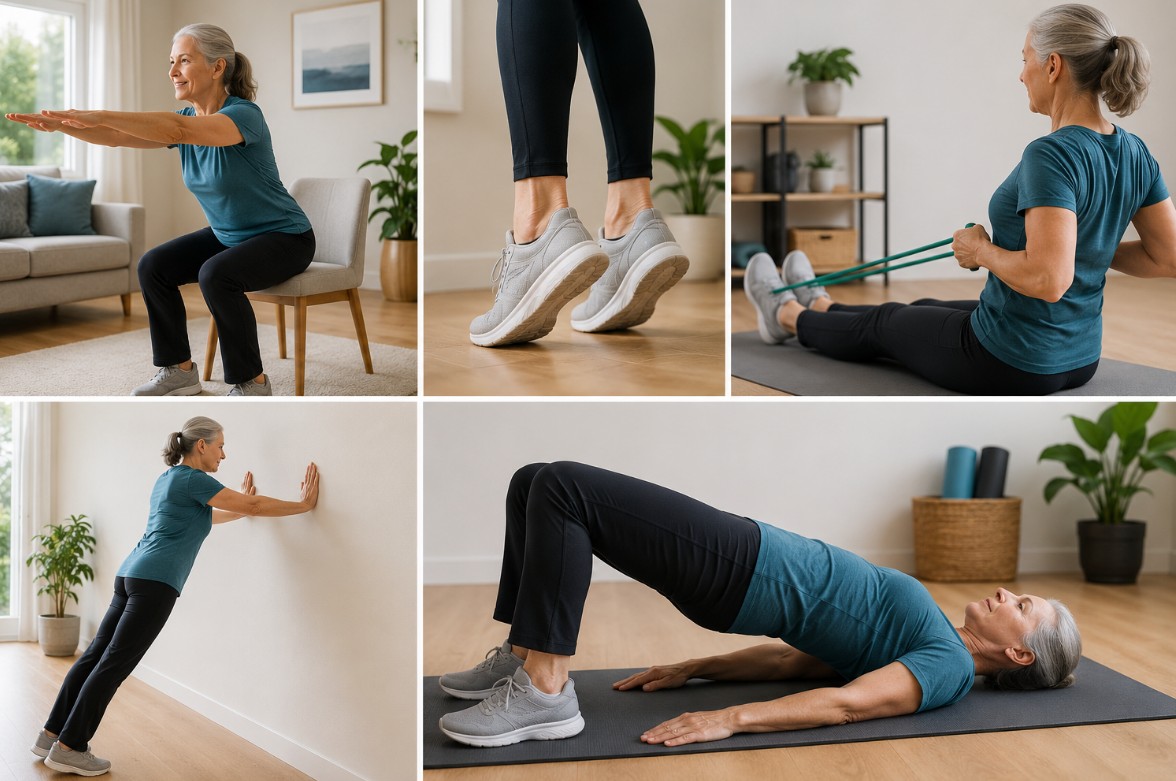
Here’s the thing: stronger muscles can help support and control a joint, but poor technique and sudden load jumps can irritate it.
The National Institute of Arthritis and Musculoskeletal and Skin Diseases recommends strengthening work with weights or bands, alongside range-of-motion and balance activities.
Choose movements that cover major patterns:
- Sit-to-stands or shallow squats for hips and knees.
- Calf raises for ankles and walking strength.
- Rows for upper-back and shoulder support.
- Wall push-ups for chest, arms, and shoulders.
- Glute bridges for the hips and trunk.
Begin with one or two sets of 8 to 12 controlled repetitions. Use a range you can manage without sharp pain, bouncing, or breath-holding. Add repetitions first; add a small amount of resistance only when the current level feels steady.
Combine Tolerable Cardio With Comfortable Mobility
Low impact does not mean low value. Brisk walking, cycling, swimming, water exercise, dancing, and tai chi are joint-friendly activities listed by the CDC. The best choice causes little or no pain, is accessible, and is enjoyable enough to repeat.
Use the talk test for moderate effort: speaking in sentences should be possible, although singing feels difficult. After five easy minutes, add mobility work using smooth circles, bends, and extensions rather than bouncing. Try:
- Ankle circles and gentle calf stretches
- Supported knee bends and hip rotations
- Upper-back rotations and shoulder circles
Hold relaxed stretches for 20 to 30 seconds and keep breathing. Mild pulling may be normal; pinching, sharp pain, numbness, or tingling is a stop signal. Change only duration, frequency, speed, or resistance at once. If symptoms remain worse the next day, scale back.
Build a Food Pattern That Supports Training and Weight Goals

No single “joint food” rebuilds cartilage. A better approach is a varied pattern that supplies protein for muscle maintenance, colorful plants, fiber-rich carbohydrates, and mostly unsaturated fats. Use this table to make everyday meals easier:
| Priority | Practical choices | Simple application |
| Protein | Fish, eggs, poultry, yogurt, tofu, beans | Include a source at each main meal |
| Plants | Berries, citrus, leafy greens, peppers | Add two colors to lunch and dinner |
| Smart carbohydrates | Oats, potatoes, brown rice, whole grains | Fuel activity with portions that fit your needs |
| Unsaturated fats | Olive oil, nuts, seeds, avocado | Swap for some butter or fried foods |
This is a structure, not a prescription. Food needs change with age, activity, allergies, medical conditions, and goals. Hydrate regularly, especially around exercise, and limit highly processed choices when they crowd out nutrient-dense meals.
Recover Well and Recognize Important Warning Signs
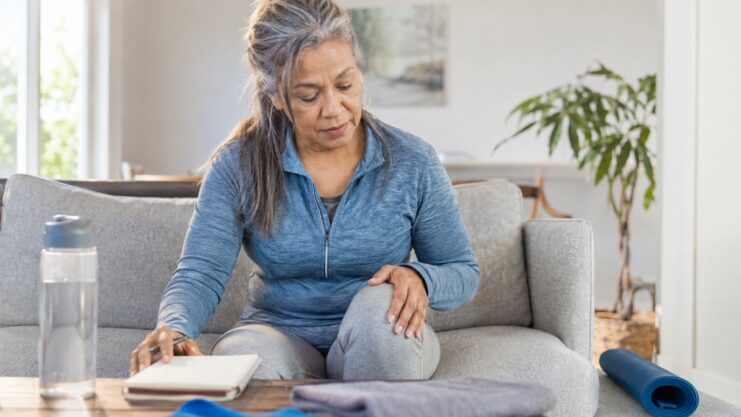
Recovery supports adaptation. Sleep, alternate harder and easier days, and avoid jumps in weekly exercise. Log the activity, duration, effort, and symptoms that evening and the next morning; patterns matter more than one uncomfortable session.
If you live in a larger body, weight loss is not a moral requirement. For people with overweight or obesity and painful knee or hip arthritis, weight management may reduce stress and improve movement; NIAMS recommends pairing it with exercise. Avoid crash diets that undermine protein intake and recovery.
Useful rule: Increase one training variable at a time, then monitor the joint for 24 hours.
Sharp pain, rapidly increasing swelling, giving way, or inability to bear weight needs timely assessment. Seek urgent care after major trauma or for a hot, red, swollen joint with fever. Ongoing pain warrants a clinician or physical therapist, especially after surgery or with inflammatory, heart, balance, bone, or neurological conditions.
FAQs
1. Is joint cracking during movement harmful?
Painless popping is often not an emergency. Cracking with swelling, locking, instability, or pain should be assessed, particularly after an injury or sudden change.
2. Do compression sleeves prevent joint injuries?
They may provide warmth or a sense of support, but they cannot replace strength, technique, or appropriate workload. Choose the correct size; stop if numbness, skin changes, or extra pain appears.
3. Does cold weather damage joints?
Some people report more stiffness or pain when weather changes, but feeling worse does not automatically mean new structural damage. A longer indoor warm-up and extra layers may make movement more comfortable.
4. Should both sides use the same exercise weight?
Not automatically. Previous injuries, coordination, and strength differences matter over time and under load. Use a controllable load on each side and ask a professional about large, sudden, or worsening asymmetries rather than forcing symmetry.
Support Joint Health With Small, Repeatable Choices
The most reliable joint health strategy is not a miracle food or heroic workout. It is a steady combination of joint-friendly cardio, progressive strength training, comfortable mobility, varied meals, and enough recovery.
Supplements can be considered, but labels, evidence, medication interactions, and third-party quality information deserve scrutiny. Start with one 20-minute walk and two basic strength movements this week, then observe how you feel the next day.
Add only one manageable change at a time and keep it sustainable. If pain persists, worsens, or comes with swelling or instability, pause the guesswork and get individualized medical guidance.