
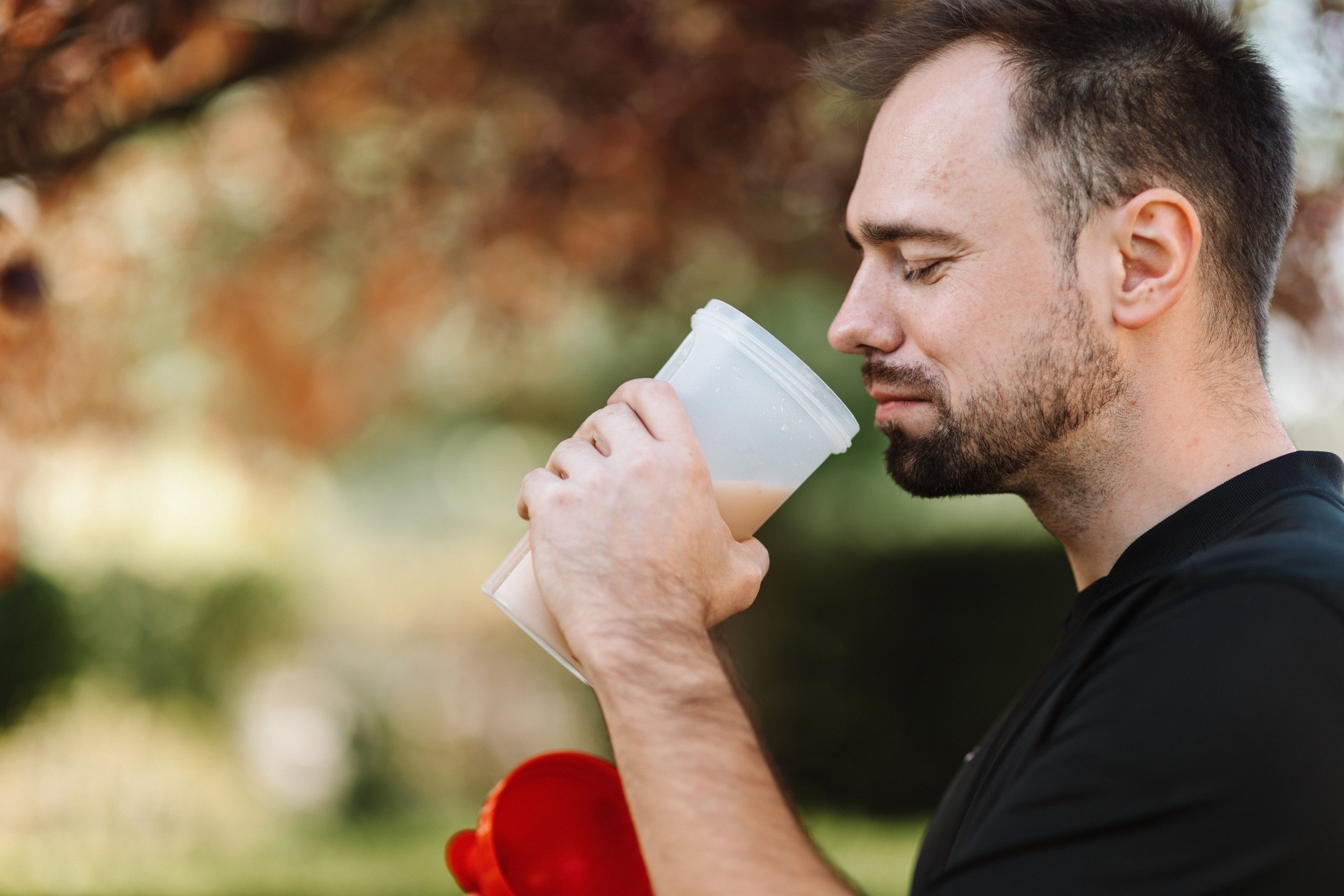
Nobody warns you about this part of a training routine. You hit your protein target, sip an electrolyte drink through a long session, rinse your shaker bottle, and go home feeling like you did everything right. Meanwhile, something in your mouth may be quietly losing ground.
“Protein shakes and sports drinks are ruining your teeth” is a headline that shows up constantly in gym forums and dental marketing alike, usually with no real distinction between the two. That’s sloppy. A sports drink and a protein shake are chemically different products that threaten enamel through different routes, and treating them as one problem leads to advice that doesn’t actually match the risk.
Two products, two very different attacks
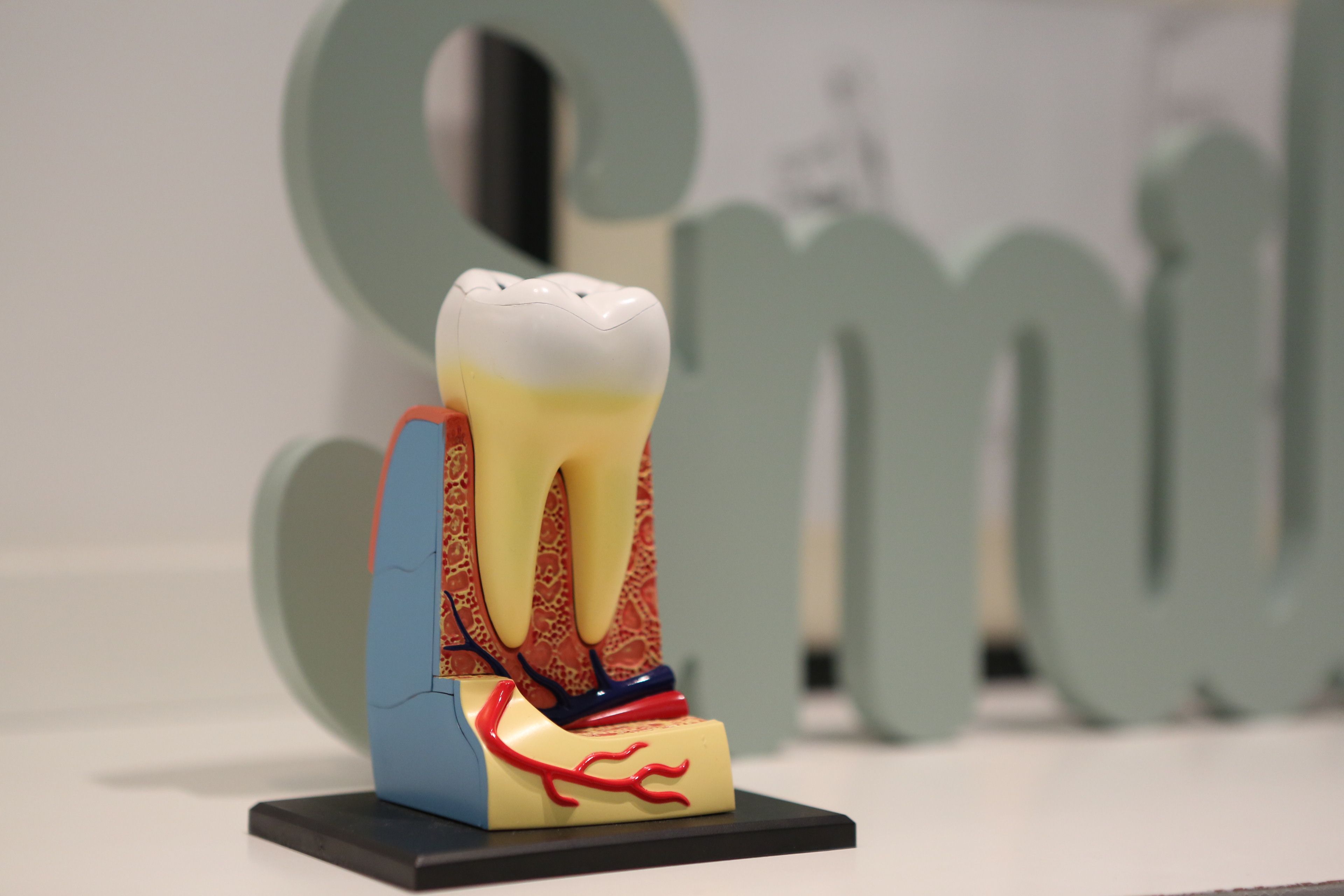
Enamel is the hardest tissue in the human body, but it’s still mineral, and minerals dissolve in acid. That’s the whole story with sports drinks: most are acidic enough, on their own, to soften the outer layer of a tooth on contact. Protein shakes are a messier case. Plain whey powder mixed with water sits close to neutral. The damage, where it exists, tends to come from what gets added to make a shake taste like something other than chalk: sugar, citric acid for flavor and shelf stability, and thickening agents.
That distinction matters because it changes what “fixing” the problem looks like. If acid is the enemy, a straw and a water rinse go a long way. If sugar and additives are the enemy, the fix is reading an ingredients label, not changing how you sip.
How acidic is a sports drink, really?
Enamel starts to demineralize once the surrounding liquid drops below a pH of about 5.5. A 1997 analysis published in the British Journal of Sports Medicine tested eight popular UK sports drinks and found every one of them fell below that threshold, with pH values ranging from 2.38 for Isostar up to 4.46 for Maxim. Nearly thirty years later, that basic finding hasn’t really changed; it has just been measured more precisely.
| Drink | Measured pH | Erosive outcome in lab testing |
|---|---|---|
| Isostar | 2.38 | Lowest pH of 8 UK sports drinks tested (1997) |
| Gatorade | 2.85–4.81 (varies by study/batch) | Greatest enamel volume loss among 6 drinks compared, including Red Bull and Coca-Cola |
| Red Bull | ~3.3 | Smallest enamel volume loss of the energy/sports drinks tested |
| Coca-Cola | 2.36 | Lower enamel lesion depth than Gatorade in a head-to-head 25-hour exposure test |
Figures compiled from the 1997 BJSM analysis, a 2024 in vitro volume-loss study, and a widely cited 25-hour immersion comparison; values vary by brand, batch, and testing method.
Gatorade’s weird result: pH isn’t the whole story
Here’s the part that surprised me while pulling this research together. A 2024 study that measured actual enamel volume loss rather than just pH found Gatorade caused more tooth structure loss (1.01 mm³) than Red Bull, Rockstar, Monster, or Coca-Cola, despite not having the lowest pH of the group. The correlation between pH and volume loss across all the drinks tested was weak (r = 0.326). In plain terms: how sour something tastes is a bad predictor of how much damage it’s doing.
Titratable acidity – essentially how much base it takes to neutralize the acid, not just how low the pH starts – turns out to matter more, along with calcium and phosphate content that can partially offset the acid’s pull on the enamel’s minerals. Isostar, despite its rock-bottom pH of 2.38, contains enough calcium and phosphate (74.5 ppm and 63.6 ppm respectively) to blunt some of that erosive potential, according to the original BJSM analysis.
So do sports drinks actually cause more cavities in real mouths?
This is where I have to push back on the more alarmist corners of the internet. Lab dishes and real mouths don’t always agree.
A 2022 systematic review pooling sixteen studies on physically active people found that regular sports drink users had roughly a 2.5-fold increase in the odds of erosive lesions, and that swimmers specifically showed a more than 15-fold increase compared to non-swimmers – though pool water chemistry (chlorination lowers pH) is almost certainly doing some of that work alongside the drink itself. On the other hand, a study of 91.8% sports-drink-consuming athletes at Ohio State found plenty of erosion overall, but no statistically significant relationship between erosion severity and how much, how often, or for how long someone actually drank the stuff. A separate 2025 review of five cross-sectional studies found three showed no significant association at all.
My honest read: the lab evidence that sports drinks are erosive is not in dispute. The evidence that drinking them, at normal gym-goer volumes, reliably produces clinical damage in a given individual is genuinely mixed, and saliva flow, brushing habits, and how long the drink sits in your mouth probably matter as much as the beverage itself.
Protein shakes are a different fight altogether
Move to protein shakes and the acid story mostly fades, and a sugar story takes over. A study of competitive bodybuilders found that regular protein supplement users had 2.7 times higher odds of dental caries, 2.45 times higher odds of gingival bleeding, and 2.79 times higher odds of calculus buildup compared to non-users, with caries prevalence at 34% versus 16%. The researchers pointed to the specific sugars used in flavored powders – glucose syrup, high-fructose corn syrup, dextrose, and maltodextrin – as the likely driver, not the protein itself.
That tracks with what’s on the label of most commercial shakes. A standard flavored whey scoop can carry noticeable added sugar per serving, and bodybuilders in that study were mostly drinking twice a day for a year or more. Frequency of exposure, not just total sugar, is what feeds cavity-causing bacteria.
The counterintuitive part: protein might actually help
Here’s the twist nobody puts in the “shakes are destroying your teeth” articles. Researchers testing cocoa-flavored protein milk, chocolate whey powder, pea protein, and rice protein against an artificial saliva control over 30 days found that all of the protein beverages tested increased enamel microhardness rather than reducing it, with the pea protein formula showing the biggest gain. Milk proteins in particular have long been recognized for a mild protective effect on enamel.
I don’t think this cancels out the sugar problem – a shake can still harden the enamel surface while the sugar dissolved in it feeds bacteria elsewhere on the same tooth. But it does mean the reflexive “protein powder is acid in a shaker bottle” framing is wrong for the plain stuff. One lab measured the pH of unflavored whey protein isolate and concentrate mixed with water at 5.9 and 5.7 respectively – both close to neutral and near the erosive threshold rather than deep below it, unlike almost anything on the sports drink shelf.
Store-bought vs. your own blender: the pH gap that matters
The real dividing line in protein shakes isn’t “protein shake or not,” it’s homemade-with-plain-powder versus pre-bottled and shelf-stable.
| Protein drink type | Typical pH | What’s driving it |
|---|---|---|
| Plain whey powder + water | 5.7 – 6.9 | Minimal additives; close to or above the critical erosive threshold |
| Whey protein isolate (unflavored) | ~5.9 | Low lactose, few acidic additives |
| Whey protein concentrate (unflavored) | ~5.7 | Slightly higher lactose content |
| Ready-to-drink bottled whey shake | ~3.9 | Citric acid added for shelf stability, heat tolerance, and clarity |
Figures from a Brazilian in vitro pH and total-soluble-solids analysis and a separate lab comparison of whey protein beverages and dental restoration materials.
That’s roughly a two-point pH gap between a scoop mixed at your kitchen counter and the pre-made bottle from the gym fridge, which on a logarithmic scale is a meaningfully different acid load hitting your teeth. If I had to bet on which product is doing more damage in an average gym bag, it’s the ready-to-drink bottle with “0g sugar” on the label and citric acid third on the ingredient list, not the tub of plain powder next to it.
What actually helps, without giving up either drink
None of this means quitting sports drinks or shakes. It means being specific about the actual mechanism you’re dealing with.
- Use a straw for acidic drinks to reduce direct contact with front teeth.
- Rinse with plain water immediately after, which helps neutralize acid and clear sugar before either can sit on the enamel surface.
- Wait roughly 30 minutes before brushing after anything acidic – brushing straight away can scrub softened enamel away rather than protect it.
- Choose plain or lightly flavored protein powder mixed with milk or water over pre-bottled RTD shakes if you’re drinking one daily.
- Check labels for citric acid and added sugars rather than trusting “sports nutrition” branding to mean tooth-safe.
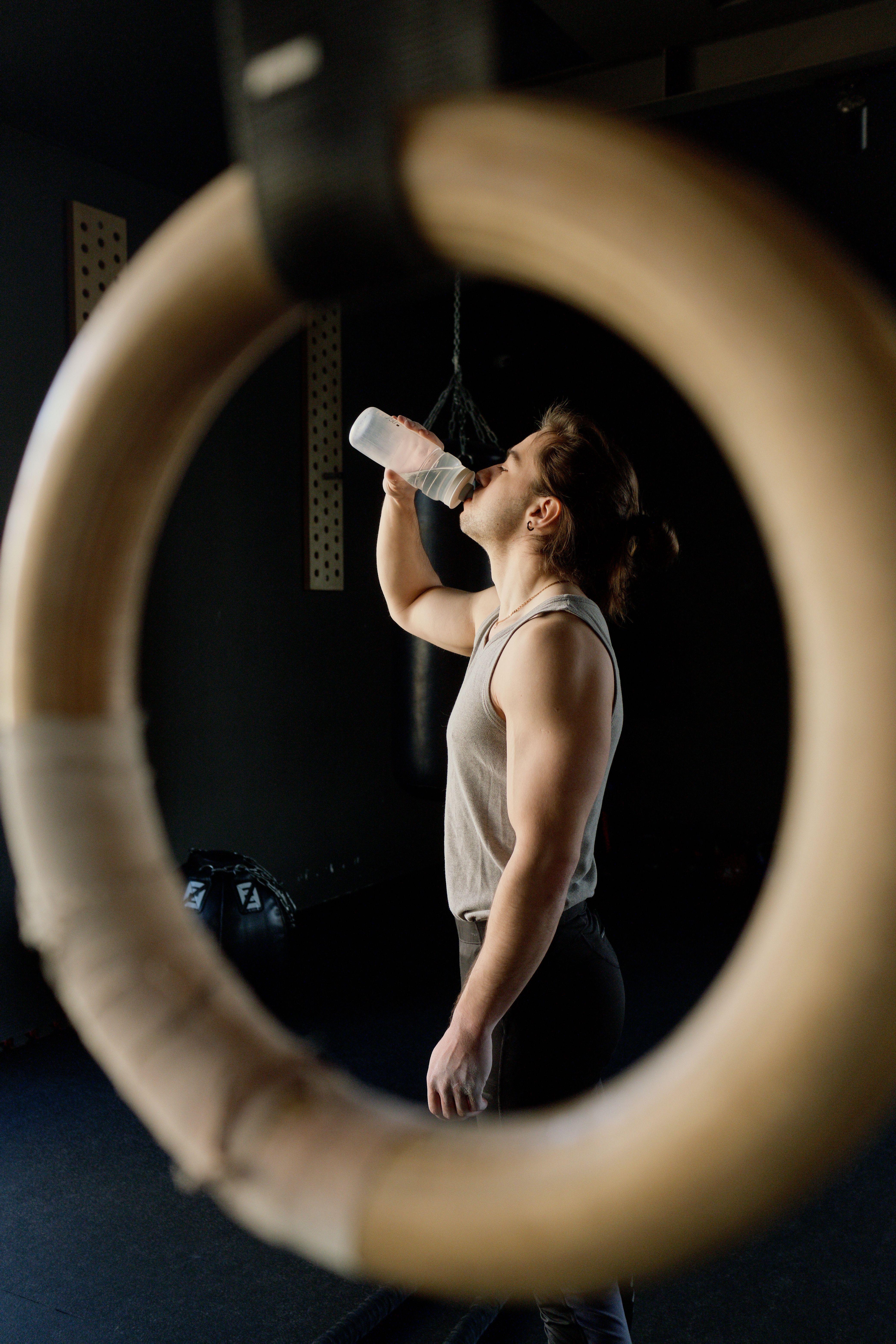
If you’re already noticing sensitivity, visible wear on the biting edges of your front teeth, or a dull, chalky look to your enamel, that’s worth a professional look rather than more guessing. A dentist can tell the difference between diet-driven erosion, grinding, and normal wear far faster than trial and error at home – a London cosmetic dentist we spoke with while researching this piece noted that erosion patterns on the inside surfaces of the upper front teeth are one of the most common early signs seen in patients who train regularly and hydrate almost exclusively with sports drinks.
Quick answers to the follow-up questions
Is Gatorade worse for teeth than Coke? In direct lab comparisons, yes – Gatorade has produced greater enamel lesion depth than Coca-Cola in controlled exposure testing, despite Coke’s markedly lower pH. Titratable acidity and mineral content, not raw pH, appear to explain the gap.
Does protein powder itself cause cavities? Plain, unflavored powder mixed with water or milk is only mildly acidic and, based on current lab research, may even support enamel hardness. The cavity risk comes from added sugars and flavoring acids in commercial flavored and ready-to-drink versions, especially with frequent daily use.
Do I need to stop drinking sports drinks for exercise? Not necessarily. The clinical evidence for erosion at typical consumption levels is mixed rather than damning. Using a straw, rinsing after, and not sipping continuously over hours are more useful changes than eliminating the drink outright.
How this article was put together
This piece drew on several sources reviewed in August 2026. These included in vitro erosion and pH studies from the British Journal of Sports Medicine, a 2024 enamel volume-loss study, and a Brazilian whey protein pH analysis. It also used a 2022 systematic review of sixteen studies on athletes and a clinical study of dental outcomes in bodybuilders using protein supplements.
Lab findings on isolated enamel samples do not perfectly reflect what happens in the mouth. Saliva, brushing habits, and diet can all affect the outcome. Evidence on sports drinks also remains mixed, so the text reflects that uncertainty.
Brand-specific pH figures can also vary by batch and testing method. Exact numbers should therefore be treated as illustrative rather than fixed.