

You finish a challenging workout and feel that familiar muscle soreness setting in. Should you reach for an ice pack or turn on the heating pad? Both hot and cold therapy can support your fitness recovery, but knowing when to use each makes all the difference. Explore how temperature exposure can help you recover faster and feel better after intense training.
Understanding Cold Therapy for Recovery
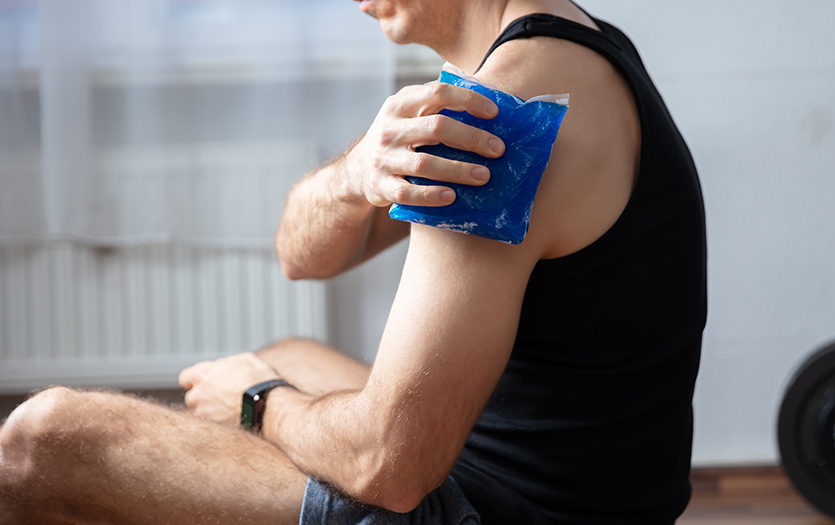
Cold therapy works through a process called vasoconstriction, in which cold exposure narrows your blood vessels. This response helps boost fatigue recovery by reducing exercise-induced inflammation and swelling. The goal is to minimize muscle damage, leading to less soreness.
At-home cold therapy options include ice packs, frozen gel packs, damp cold towels, ice massages and cold showers. Each method offers varying levels of intensity and convenience for your recovery routine. Starting with brief sessions and gradually increasing exposure time helps your body adapt to the cold. Beginners can start with 30 seconds to a minute and work up to five to 10 minutes as tolerance builds.
Consult a doctor before trying a cold plunge, especially if you have any underlying health conditions. Cold exposure affects everyone differently, so professional guidance helps ensure safe implementation into your routine.
Harnessing Heat Therapy for Muscle Relief
Heat therapy works through a process called vasodilation. If cold constricts your blood vessels, heat application widens them. This response significantly boosts blood flow throughout the body, which is crucial for aiding the healing process of your muscles. Think of this increased circulation as sending a dedicated repair crew to your muscles — the warmth delivers more oxygen and vital nutrients to damaged tissues.
Common methods of heat therapy include heating pads, warm baths and saunas, each offering different benefits and levels of convenience. These methods can be used before and after workouts to help boost circulation. Today, many fitness enthusiasts use infrared saunas because they provide an effective and convenient way to enjoy sauna benefits at home.
The appeal of an at-home infrared sauna lies in its simplicity and profound effect. You simply enter, turn it on, and relax inside while the infrared heat penetrates deeply into your muscles. The gentle warmth can help soothe chronic muscle tightness and accelerate your body’s natural healing processes.
Can You Install an Infrared Sauna at Home?
An infrared sauna can be installed at home with relative ease, making it an accessible option for regular heat therapy sessions. The ease of installation depends heavily on the design and manufacturer you choose. Some manufacturers, such as Sunlighten, have refined their sauna construction to create a user-friendly experience from setup to session.
This focus on the user is evident in their intuitive, beginner-friendly controls and guided programming options, which prevent feelings of overwhelm and make relaxation feel accessible from the very first use. The experience is enhanced by patented heating systems engineered to deliver consistent, effective heat, allowing your mind to fully relax without distraction.
Collections, like the mPulse, even feature proprietary infrared intelligence that lets you select a program for a specific wellness goal, like relaxation or detox. These saunas deliver precise infrared wavelengths that the body can absorb for better wellness benefits.
This thoughtful design extends to the materials and safety standards. Theirs attention to detail includes hand-selected premium woods and ETL-certified electronics, ensuring durability and long-term performance that protects your investment.
It also offers third-party-verified ultra-low levels of electromagnetic fields (EMFs) and volatile organic compounds. This focus on non-toxic, eco-conscious materials and low-EMF design provides both therapeutic value and peace of mind for home users.
How to Safely Use an Infrared Sauna at Home

Building a safe routine helps you maximize benefits while minimizing risks associated with heat exposure. Consider these guidelines:
- Start conservatively: New sauna bathers can start with a five- to 10-minute session and build up to 20 minutes as your body acclimates to the heat over several weeks.
- Stay hydrated: Drink water before and after use to avoid dehydration from the heat exposure and replace fluids lost through perspiration.
- Watch your body’s signals: Leave the sauna if you feel dizzy, lightheaded, nauseated or overheated at any point during your session.
- Match the sauna to your needs: Tools like comparison chart and quiz can help users find the right fit based on space, budget, and wellness objectives. You can find it on the brand’s website.
- Consult your doctor: Speak with your healthcare provider before using an infrared sauna if you are pregnant, managing cardiovascular concerns, prone to low blood pressure, experiencing acute illness or fever, taking medications that affect heat tolerance or hydration, or using an implanted medical device.
Frequently Asked Questions
These questions can help clarify how to use temperature therapy effectively for your fitness goals.
What are the main benefits of using temperature therapy for recovery?
Cold therapy helps reduce acute inflammation and pain immediately following intense exercise by constricting blood vessels and slowing metabolic activity. Heat therapy improves circulation and soothes muscle stiffness, particularly when dealing with chronic tension or soreness that persists beyond the initial workout. Both approaches support your body’s natural recovery process when used appropriately and at the right times.
Is it possible to install an infrared sauna by myself?
Many modern infrared saunas are designed for DIY assembly without professional installation or carpentry skills. The ease of installation depends heavily on the design and manufacturer you choose. Quality brands offer assembly systems that make home installation straightforward for most users, often requiring just a few hours to complete.
Are infrared saunas safe?
Infrared saunas are generally safe, but the heat and changes in core temperature can pose risks for certain individuals. Consult your doctor if you have heart disease, are pregnant, prone to low blood pressure, have acute illness or fever, take medications affecting heat tolerance or hydration, or have implanted medical devices.
Integrating Temperature Therapy Into Your Routine
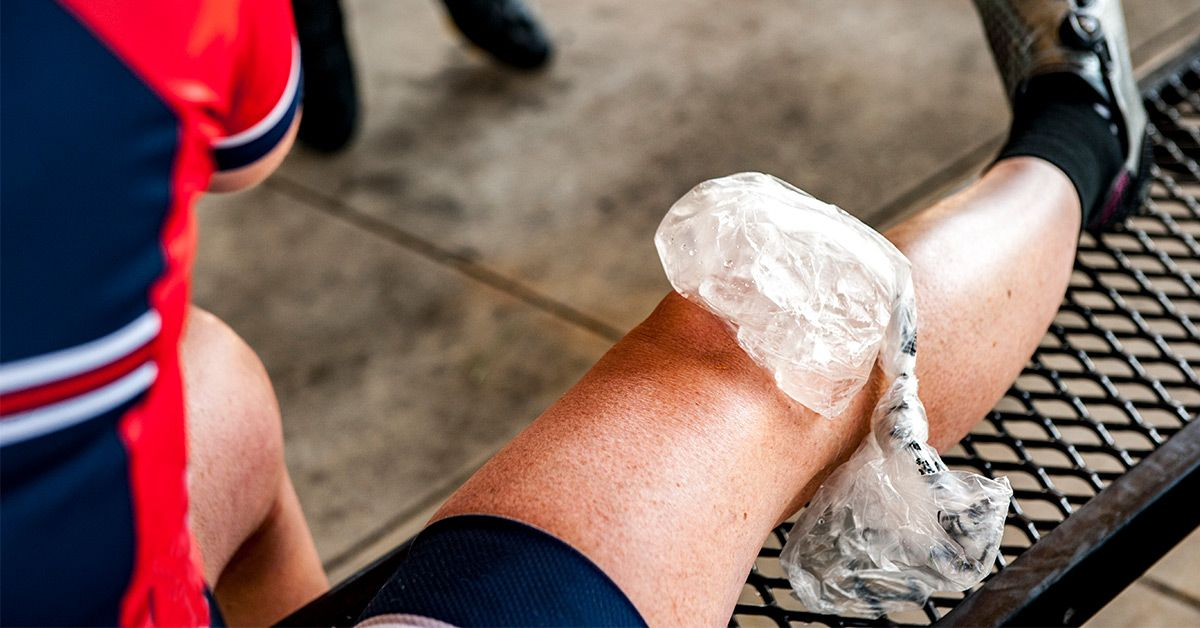
Both hot and cold therapy can be valuable for fitness recovery when used thoughtfully. Everyone’s body responds differently, so notice how you feel with each method, including options like an infrared sauna at home, which can offer gentle heat and relaxation. Trying different approaches helps you create a routine that fits your unique training goals. Remember, your recovery process is personal, so choose what feels right for you.